
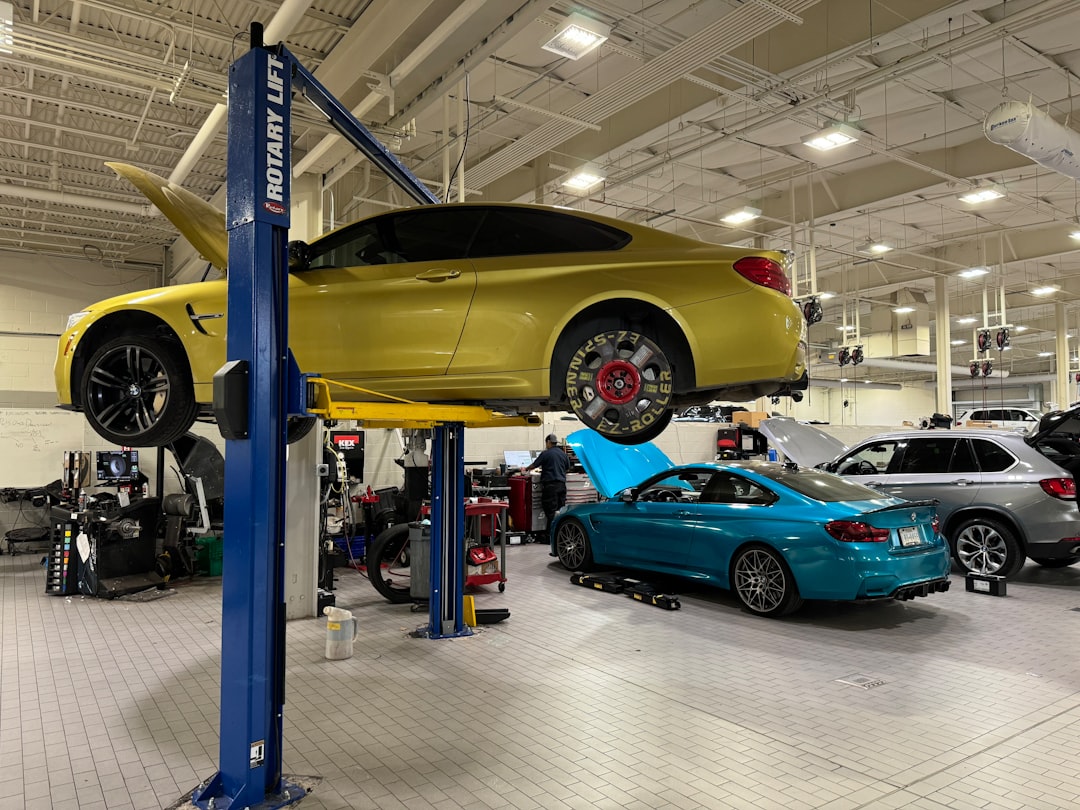
Driving Efficiency: AI Maintenance Intelligence in Automotive Manufacturing
Downtime on the line? Repeat breakdowns? In today’s fast-paced workshops, automotive predictive maintenance isn’t a luxury—it’s a necessity. By capturing the know-how from every engineer’s notebook and work order, AI maintenance intelligence turns scattered data into clear action. Forget firefighting; imagine a system that signals you before the next failure.
This article dives into nine key benefits of embedding AI-driven maintenance intelligence in automotive production. We’ll explore how your team can fix faults faster, preserve critical engineering wisdom, and build a truly proactive maintenance culture. Ready to see theory meet the shop floor? Explore automotive predictive maintenance with iMaintain — The AI Brain of Manufacturing Maintenance
1. Accelerated Fault Diagnosis
You’ve heard it before: “The sensor readings are off, but I don’t know why.” AI maintenance intelligence shifts that guesswork into guided troubleshooting.
– It analyses historical work orders, sensor data and previous fixes.
– Suggests proven repair steps based on similar faults.
– Cuts the time it takes an engineer to pinpoint root causes.
In an automotive stamping press or paint booth, minutes saved diagnosing a hydraulic leak translate directly to higher throughput. With iMaintain’s context-aware insights, your team spends less time hunting for clues and more time getting machines back online.
2. Reduced Repeat Failures
It’s all too common: the same conveyor jam pops up every fortnight. AI captures that pattern. It highlights recurring issues with assets, parts and maintenance tasks.
– Flags repeat faults before they escalate.
– Recommends preventive actions aligned with past fixes.
– Ensures engineering knowledge doesn’t vanish when a veteran leaves.
Stop firefighting. Build a cycle where every repair informs a smarter preventive routine. If you’re keen to see how this works in a real garage environment, consider See iMaintain in action
3. Extended Asset Lifespan
Every automotive line runs on complex machinery: welders, conveyors, robot cells. When maintenance is reactive, wear and tear accelerate. AI maintenance intelligence flips that script:
– Predicts component wear based on vibration, temperature and historical trends.
– Schedules service just before performance dips.
– Maximises uptime and extends the useful life of parts.
That means fewer emergency orders for replacement belts and longer intervals between major overhauls. Over a year, the savings add up—and so does your confidence in equipment reliability.
4. Enhanced Safety and Compliance
Safety isn’t optional in automotive plants. A small bearing failure can cost lives. AI maintenance intelligence helps you:
– Identify risky patterns like overheating motors or misaligned presses.
– Enforce standardised checks based on regulatory requirements.
– Keep an audit trail of every inspection and corrective step.
Engineers get real-time alerts on potential hazards. Supervisors gain visibility into compliance metrics without drowning in paperwork. Curious about cost-effective compliance? View pricing to find a plan that scales with your shop floor.
5. Data-Driven Continuous Improvement
With AI, maintenance data isn’t a silo. It’s a goldmine for continuous improvement:
– Analyse mean time between failures (MTBF) across your fleet.
– Benchmark performance by shift, line or location.
– Root out hidden inefficiencies in preventive routines.
Those insights feed back into training, spare-parts optimisation and even line design. If you want to see similar use cases, Learn how the platform works
6. Smarter Spare-Parts Management
Stocking every possible part is impractical. Running out of a critical bearing halts the entire line. AI maintenance intelligence bridges that gap by:
– Forecasting part usage based on maintenance history.
– Triggering purchase orders when thresholds near.
– Reducing emergency shipments and costs.
Your stores team gets accurate reorder suggestions. Engineers spend less time searching for spares and more time solving real problems. It’s a lean, practical approach to inventory control.
7. Standardised Best Practices
Every engineer has their own tricks. Great—until you need to train a new hire or rotate shifts. AI maintenance intelligence captures:
– Step-by-step repair procedures proven in past work orders.
– Context-specific instructions for each asset.
– Visual aids, checklists and safety notes at the point of need.
That consistency reduces human error and cuts onboarding time. Best practices become part of your shop-floor DNA, not a fleeting memory.
If you’d like expert guidance on implementing these workflows, Talk to a maintenance expert
8. Scalable Knowledge Retention
People retire. They change roles. Critical domain expertise walks out the door. AI maintenance intelligence preserves that know-how:
– Centralises all fixes, inspections and adjustments.
– Makes it searchable by symptom, asset or location.
– Ensures new and seasoned engineers alike can tap into decades of experience.
This shared knowledge base compounds in value. The longer you use it, the richer it gets. You’ll never start from scratch again.
9. A Practical Pathway to Prediction
Jumping straight to advanced analytics without a solid data foundation often fails. iMaintain’s approach is different:
– First, capture human experience and historical fixes.
– Then, layer on AI-driven alerts and anomaly detection.
– Finally, steer you toward full predictive maintenance.
It’s not a leap into the unknown—it’s a step-by-step journey that builds trust and delivers measurable ROI.
Choosing the Right Maintenance Intelligence Platform
Not all AI solutions suit a busy factory floor. You need a platform that:
– Integrates with existing CMMS or Excel-based logs.
– Requires minimal admin input from engineers.
– Evolves with your team, not against it.
iMaintain ticks those boxes. It’s designed for real manufacturing environments, blending human expertise with machine speed. From reactive fixes to predictive alerts, it’s the bridge you’ve been looking for.
Conclusion
AI-driven maintenance intelligence is transforming automotive production from reactive chaos into proactive control. From diagnosing faults in minutes to preserving decades of engineering wisdom, the benefits are clear—and measurable. If you’re ready to put downtime behind you and embrace a smarter, human-centred approach, now’s the time to act.
Additional CTAs you might find useful: