
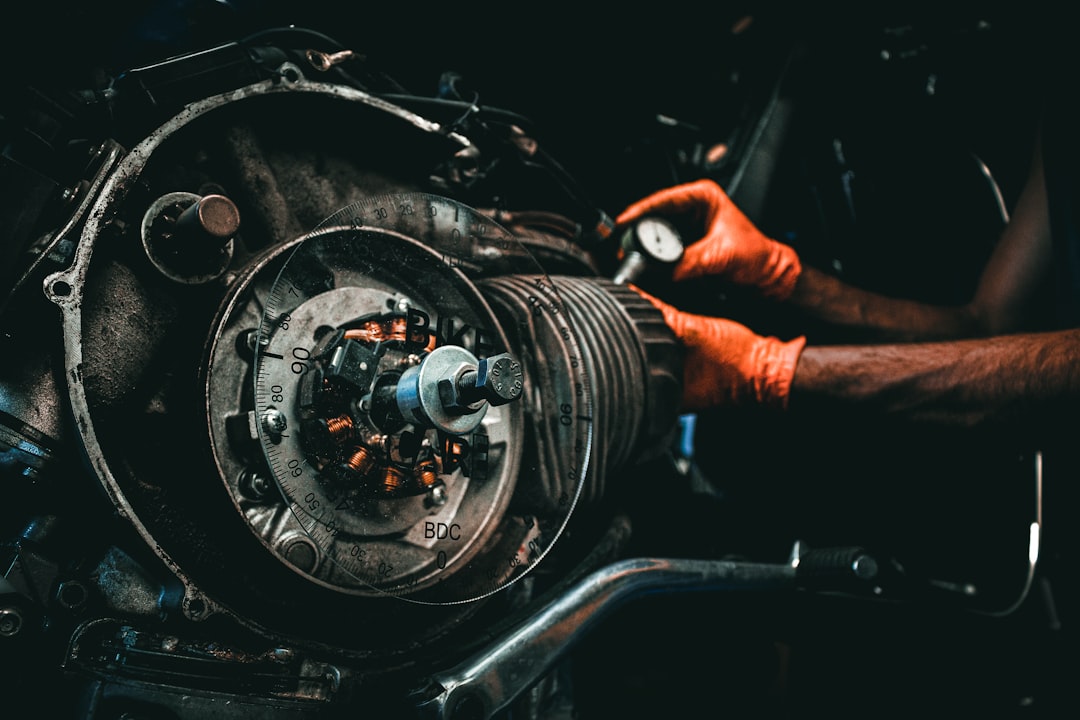
Introduction: Mastering Maintenance with Organizational Knowledge Management
Ever felt like your maintenance team is stuck in a loop? The same breakdowns, same fixes—time and again. That’s where organizational knowledge management steps in. It captures every tweak, repair and insight from your engineers. Then, it transforms scattered notes into a shared, searchable asset. No more hunting through dusty binders or stalled spreadsheets.
In this guide, you’ll discover frameworks, reference books and real-world tips for embedding knowledge management into your maintenance regime. We’ll unpack best practices, common pitfalls and the tools you need—like the AI-driven iMaintain platform. Ready to see how it all fits? Explore organizational knowledge management with iMaintain — The AI Brain of Manufacturing Maintenance
The Role of Organizational Knowledge Management in Modern Maintenance
Maintenance isn’t just fixing machines. It’s learning from each repair. Without a structured process, you lose what your most skilled engineers know. That gap shows up in repeated faults and rising downtime.
Organizational knowledge management bridges that gap. It ensures every work order, every root-cause analysis and every quick fix gets stored in one place. Teams can search past solutions, spot patterns and prevent the same issue from cropping up next shift. And it’s not theory—platforms like iMaintain integrate directly with your CMMS, so knowledge capture happens as engineers work.
By centralising insights:
– You cut training time for new hires.
– You reduce time to diagnose by up to 30%.
– You build a culture of continuous improvement.
Curious about how it plugs into your existing processes? Explore how the platform works
Foundational Frameworks and Reference Books
There’s no single bible for knowledge management, but a handful of frameworks and texts set the foundation:
SECI Model (Socialisation, Externalisation, Combination, Internalisation):
– Turns tacit skills into documented procedures.
– Encourages peer-to-peer mentoring before codifying best practice.Knowledge Lifecycle:
– Capture → Organise → Share → Evaluate → Update.
– Helps you plan regular reviews of stored insights.Reference Books to Keep Close:
– Encyclopedia of Organizational Knowledge Administration & Technology (IGI Global).
– The Knowledge-Creating Company by Nonaka & Takeuchi.
– Working Knowledge by Davenport & Prusak.
These volumes offer deep dives into theory. But theory alone won’t fix a faulty valve. You need simple steps, checklists and tools that work on your shop floor.
How to Implement Organizational Knowledge Management in Your Maintenance Team
Putting knowledge management into practice doesn’t require a full digital overhaul. Follow these steps:
Identify Knowledge Champions
– Choose senior engineers passionate about sharing.
– Give them simple tools to log fixes as they happen.Map Critical Assets
– Start with the machines that cause most downtime.
– Document past failures, root causes and successful remedies.Tag and Categorise Work Orders
– Use consistent labels: “electrical fault”, “hydraulic leak”, “software update”.
– Helps teams filter relevant cases fast.Integrate AI-Driven Recommendations
– Platforms like iMaintain surface relevant repair histories automatically.
– Engineers get context-aware insights at the point of need.Schedule Regular Reviews
– Monthly workshops to review flagged issues.
– Update procedures based on new findings.
With every logged repair, your organisational knowledge management system gets smarter. Before long, what once lived in notebooks and heads becomes a shared vault of intelligence. Learn about AI powered maintenance
Best Practices and Common Pitfalls
Adopting knowledge management isn’t plug-and-play. Watch out for these stumbling blocks:
Over-engineering your processes.
If you ask engineers to fill ten fields after every job, they’ll skip it. Keep forms lean.Treating it as an IT project.
It’s a people project. Invest in training and culture, not just software.Ignoring feedback loops.
Logged knowledge must be reviewed and refined. Stale data is next to useless.Not measuring progress.
Without KPIs, you won’t know if your efforts are paying off.
Halfway through your rollout, check your adoption rates. If only a handful of engineers log entries, revisit your approach. Simplify fields, add quick-access templates or hold short refresher sessions. Remember, less friction means more consistent logging. See organizational knowledge management in action with iMaintain — The AI Brain of Manufacturing Maintenance
Need a hand tailoring this to your environment? Talk to a maintenance expert
Measuring Success: KPIs for Knowledge Initiatives
You can’t improve what you don’t measure. Key metrics include:
- Number of documented fixes per month.
- Reduction in repeated faults for critical assets.
- Average time to repair (MTTR) before vs after.
- Percentage of engineers using the system daily.
Set realistic targets. Aim for a 20% boost in logged fixes in the first quarter. Then track how that correlates with downtime. You’ll often see a 10–15% cut in breakdowns within six months.
As your data pool grows, you’ll unlock deeper insights—like which machine models underperform or which shifts need extra training. This is where a tool like iMaintain shines. By combining structured data with AI-driven alerts, you get actionable foresight, not just rear-view reporting. See pricing plans
Conclusion: Your Next Steps in Organizational Knowledge Management
Organizational knowledge management isn’t optional for modern maintenance teams—it’s mission critical. When you capture and curate what your engineers learn on the shop floor, you stop firefighting and start preventing. You keep your best practices alive, even as staff change.
Take the leap today. Embrace a system that grows smarter with every repair. Watch downtime fall and confidence rise. Begin your organizational knowledge management journey with iMaintain — The AI Brain of Manufacturing Maintenance
What Our Customers Say
“iMaintain turned our maintenance notes into a living knowledge base. We’ve cut repeat failures by 25% and onboarded new engineers in half the time.”
— Emma Richardson, Maintenance Manager
“The AI suggestions are spot on. I don’t waste time digging for past solutions. Everything I need is right there in the workflow.”
— Daniel Turner, Reliability Engineer
“Shifting from reactive to proactive maintenance felt impossible until we logged our fixes consistently. Now our data drives real improvements.”
— Sophie Patel, Operations Lead