
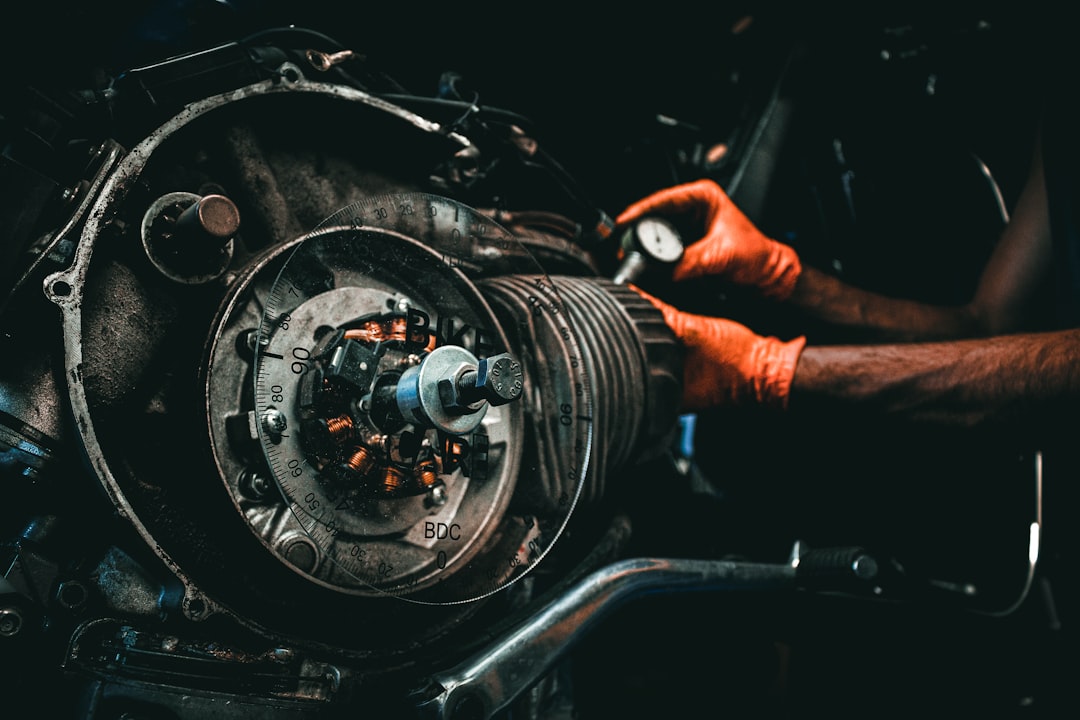
Igniting a Knowledge-Driven Maintenance Journey
In today’s fast-paced factory environment, downtime can derail production schedules and dent profitability. Frontline engineers know that every breakdown hides a story—past fixes, makeshift solutions, fleeting insights. Yet that valuable know-how often vanishes when staff move on. That’s where knowledge-driven maintenance steps in. It’s not just about collecting data; it’s about weaving human experience, historical logs and real-time analytics into a single narrative. The payoff? Faster fixes, fewer repeat failures and a maintenance maturity that scales across shifts and sites.
We’ll unpack a clear roadmap for advancing maintenance maturity—starting with a solid knowledge foundation, layering in AI-powered insights and ending with a culture that thrives on shared intelligence. No jargon, no hype. Just practical steps you can apply on your shop floor this week. And if you’re ready to see how it all comes together, Explore knowledge-driven maintenance with iMaintain — The AI Brain of Manufacturing Maintenance.
Understanding the Maintenance Maturity Model
Organisations progress through stages of maintenance proficiency. Each level marks a shift in how teams approach equipment care:
- Reactive: The “fix it when it breaks” approach. Repairs happen under pressure. Costs are high and visibility is low.
- Preventive: Scheduled checks and servicing. Planned downtime reduces surprises but still relies on fixed intervals rather than real-time indicators.
- Predictive: Data from sensors and logs predict failures before they occur. Early warnings mean parts are replaced just in time.
- Precision: Every maintenance action follows exact specifications—manuals, supplier guidelines, real-time telemetry—ensuring optimal performance at all times.
Most UK manufacturers sit between preventive and predictive, often slipping back to reactive when schedules slip or budgets tighten. The secret to moving up? A robust layer of shared, structured knowledge. That’s where a human-centred AI platform like iMaintain plays its part. To see how iMaintain fits into your existing tools, See how the platform works.
Building the Knowledge Capture Foundation
Before AI can predict, it needs context. You must consolidate scattered information into a living library. Here’s how:
- Conduct quick interviews with senior engineers to capture ‘tribal’ insights.
- Centralise past work orders and repair notes in one accessible system.
- Tag fixes by asset, fault symptom and root cause for easy retrieval.
- Encourage shop-floor teams to log findings immediately, not at week’s end.
- Standardise templates for troubleshooting steps, so every engineer knows where to look.
This groundwork transforms individual expertise into a shared asset. Instead of hunting through notebooks or email threads, you tap into a knowledge base that grows with every job.
Harnessing AI: From Reactive to Predictive
Raw knowledge sets the stage. Now comes AI. The goal isn’t to replace skilled engineers, but to serve up insights right when they’re needed. Key capabilities include:
- Context-aware decision support that suggests proven fixes based on similar past incidents.
- Automated pattern detection across work orders to flag early signs of repeated faults.
- Prioritisation engines that sequence maintenance tasks by likelihood of failure and operational impact.
- Visual dashboards that track progression through maturity levels, highlighting gaps and wins.
AI shines when it amplifies human judgement, and iMaintain is built around that principle. Feel stuck choosing between options? Speak with an expert who understands real-world maintenance challenges: Talk to a maintenance expert.
A Pragmatic Roadmap to Elevate Your Maintenance Maturity
Advancing through the maturity model doesn’t require a giant leap. Here’s a practical, phased plan:
- Assess your current maturity
• Rate your team on reactive, preventive, predictive and precision metrics
• Identify the biggest barriers—data gaps, process drift, knowledge silos - Launch a pilot on critical assets
• Pick two or three machines that dent uptime most when they fail
• Apply structured logs and AI support for troubleshooting - Scale with iterative improvements
• Review pilot results, refine templates and workflows
• Roll out across other asset groups - Embed continuous learning
• Hold fortnightly sprints to harvest new insights
• Reward engineers who log high-value fixes and root-cause findings
Ready to formalise that plan? Take the first step towards knowledge-driven maintenance with iMaintain — The AI Brain of Manufacturing Maintenance.
Budget planning? Understand how cost, ROI and licence tiers align with your goals: View pricing plans
And when you’re ready to see it live on your floor, don’t wait: Schedule a demo.
Overcoming Common Pitfalls
Even the best plans face hurdles. Watch out for:
- Partial adoption: Engineers resist extra clicks. Keep workflows intuitive.
- Stale data: If logs go un-updated, AI loses accuracy. Incentivise real-time entries.
- Over-engineering: Start simple, then refine. A complex system that sits unused does no one any good.
Stay vigilant. A few tweaks early can help you Reduce unplanned downtime and keep your maturity climb on track.
Real-World Applications: Case Examples
Imagine a UK food-packaging plant. They struggled with intermittent conveyor jams. After capturing ten months of repair notes and training AI to spot repeating patterns, downtime dropped by 25%. Or an aerospace component line that halved its mean time to repair by surfacing exact wiring diagrams and past fixes at the push of a button.
Seeing is believing. To learn how predictive alerts mesh with daily checks, Improve MTTR by fixing issues faster.
Testimonials
“I was sceptical at first, but working with iMaintain felt like having a senior engineer whisper advice in my ear. Our repeat breakdowns have plummeted.”
— Sarah Thompson, Maintenance Manager, Midlands Automotive
“Capturing decades of shop-floor know-how seemed impossible. iMaintain did it, and now junior technicians solve issues in half the time.”
— Liam Patel, Reliability Lead, Advanced Manufacturing
“Our supervisors love the clear maturity metrics. We can see progress weekly instead of guessing where we stand.”
— Emily Ross, Operations Manager, Precision Engineering
Conclusion: Your Next Step to Knowledge-Driven Maintenance
Building a truly knowledge-driven maintenance operation takes purpose, patience and the right tools. By starting with structured knowledge capture, layering in practical AI support and following a clear roadmap, you’ll ascend from reactive fixes to precision care. Ready to make your maintenance maturity a reality? Embark on knowledge-driven maintenance with iMaintain — The AI Brain of Manufacturing Maintenance.
For maintenance that works the way engineers think, choose human-centred AI that scales with your team.