
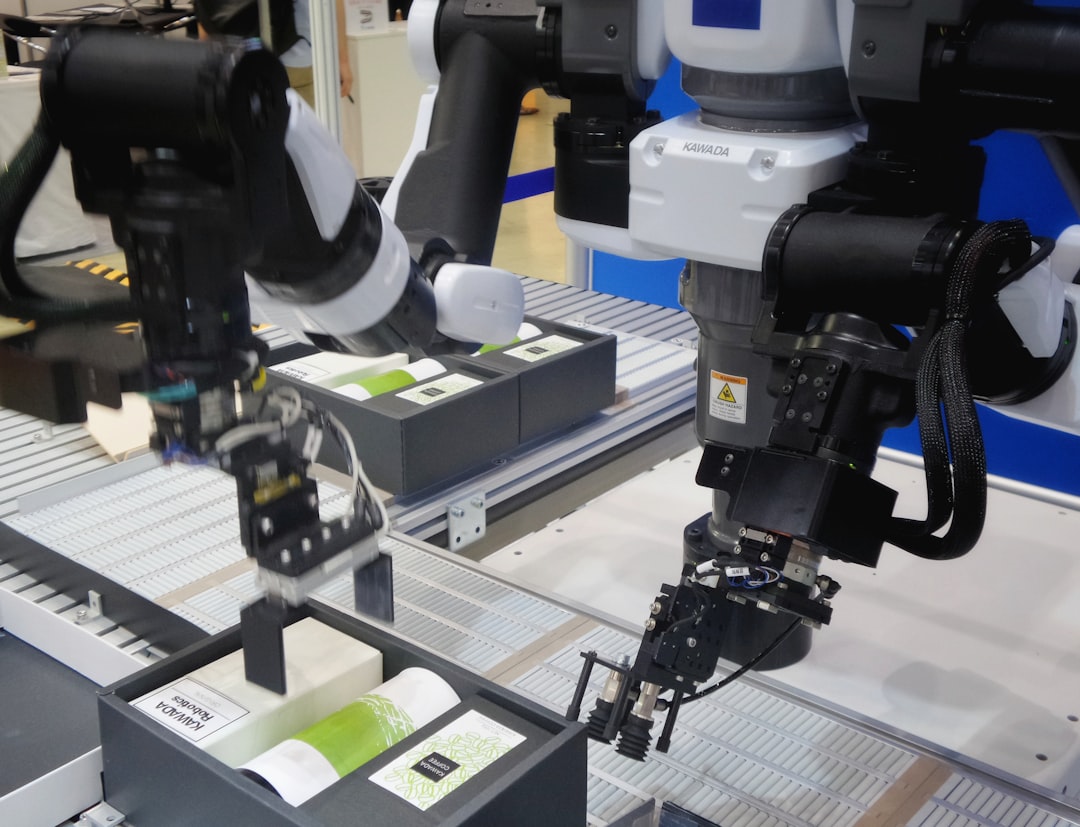
Unlocking AI-Powered TPM Implementation for Reliable Operations
Total Productive Maintenance has always been about people, processes and equipment working in harmony. Now imagine adding an AI layer that remembers every repair, suggests proven fixes and prevents repeat breakdowns. That is the power of ai-powered tpm implementation. It moves you from firefighting on the shop floor to steering a smooth, data-driven reliability engine.
This approach captures the knowledge your engineers already have—past fixes, asset quirks and work order histories—and feeds it into an AI brain that surfaces insights exactly when you need them. If you want to explore how this works in real factories, try Get ai-powered tpm implementation with iMaintain — The AI Brain of Manufacturing Maintenance and see expertise meet intelligence on the factory floor.
Why Traditional TPM Falls Short
Despite the solid foundations of classic TPM, many UK manufacturers still struggle to turn scattered maintenance notes into lasting improvement. Here are a few common gaps:
- Reactive biases: Engineers fix the same fault again because history lives in notebooks or emails.
- Data silos: Spreadsheets and legacy CMMS tools rarely talk to each other, so insights disappear.
- Knowledge loss: When experienced staff leave, their troubleshooting wisdom goes with them.
- Slow feedback loops: It can take weeks to analyse root causes and update standard work.
In practice this means repeat failures, unplanned downtime and creeping costs that eat into your bottom line. A smarter path is possible when you apply ai-powered tpm implementation to these pain points. With human centred AI, you get proactive alarms, guided troubleshooting and consistent knowledge capture wherever your team works.
See a quick demo of how real maintenance teams transform their workflows by See how the platform works.
The Role of AI in Modern TPM
Adding AI does not mean ripping out your current setup; it means weaving intelligence into it. With ai-powered tpm implementation you get:
- Context aware decision support that suggests proven fixes based on asset history.
- Automated workflow prompts that guide operators through standard checks.
- Predictive flags that highlight patterns ahead of failures, not just when parts break.
This level of integration turns TPM from a series of isolated pillars into a living, learning system.
From Reactive to Predictive
ai-powered tpm implementation bridges reactive and predictive maintenance by building on what you already track. Instead of waiting for sensor triggers alone, AI helps you:
- Collate inspection logs and past failures.
- Identify subtle trends in work orders or part usage.
- Surface recommendations before any alarm sounds.
This reduces repeat breakdowns and gives engineers time for strategic improvements.
Context-Aware Decision Support
Imagine an operator facing a hydraulic leak. With ai-powered tpm implementation they see an AI prompt listing past fixes, recommended torque values and photos from previous interventions. No more hunting through binders. That boosts confidence and cuts mean time to repair dramatically.
Improve asset reliability by applying AI where it counts most.
Steps to Implement AI-Powered TPM
Rolling out ai-powered tpm implementation is a journey, not a flip-switch moment. Here is a straightforward roadmap:
- Audit current TPM maturity
Map your pillars, from autonomous maintenance through to early equipment management. - Capture historical knowledge
Gather work orders, service logs and operator notes into a unified database. - Onboard teams on simple workflows
Use tools like iMaintain for guided tasks that embed recording fixes and observations. - Activate AI decision support
Train the system on your data so recommendations match your asset context. - Measure impact and refine
Track OEE, MTTR and repeat failure rates to guide continuous improvements.
By following these steps you transition from reactive to a reliable AI-enhanced TPM culture.
In the middle of your transformation journey, you can always revisit Get ai-powered tpm implementation with iMaintain — The AI Brain of Manufacturing Maintenance to realign on best practices.
Need a chat about your setup? Discuss your maintenance challenges with our experts.
Measuring Success: KPIs for AI-Powered TPM
You must track the right metrics to prove that your ai-powered tpm implementation is paying off. Focus on:
- Overall Equipment Effectiveness (OEE) improvements
- Mean Time Between Failures (MTBF) trend lines
- Mean Time To Repair (MTTR) reductions
- Share of planned maintenance versus unplanned work
- Training completion rates for autonomous maintenance
These KPIs give you clear visibility into performance gains. They also help justify the next round of process or tech investments.
If you want a hands-on walkthrough of these metrics in action, Book a demo with our team to see real dashboards and reports.
Best Practices and Common Pitfalls
To make your ai-powered tpm implementation a hit you need more than tools. Here are a few dos and don’ts:
Do:
- Start small with one production line or asset family.
- Keep workflows simple so teams adopt quickly.
- Celebrate early wins in reducing repeat failures.
- Reinforce AI recommendations with hands-on training.
Don’t:
- Overload the AI with poor quality data.
- Skip regular review sessions to adjust models and checklists.
- Expect overnight predictive nirvana without human insight.
A human centred approach keeps teams engaged and data quality high so AI can truly amplify your TPM efforts.
Conclusion
Total Productive Maintenance has always aimed to eliminate losses, improve availability and develop people. With ai-powered tpm implementation you add decision support, predictive flags and structured knowledge capture to that mix. The result is a smarter maintenance culture, lower downtime and genuine reliability gains.
Ready to see how it fits your factory reality? Get ai-powered tpm implementation with iMaintain — The AI Brain of Manufacturing Maintenance now and start reducing unplanned stops with AI and human expertise working side by side.