
Cutting Through the Hype: What Real Factory AI Looks Like
Walk onto almost any manufacturing shop floor today and you will hear plenty of chatter about artificial intelligence. Big automation vendors love showing off futuristic digital twins, high-speed robotics, and complex computer vision systems. Yet, for the average engineering manager, those multi-million-pound initiatives feel miles away from the real daily grind. Your line stops, an alarm flashes red, and your engineers are frantically hunting through fragmented binders, past work tickets, or someone’s memory just to discover why a motor tripped.
That is why choosing a practical industrial AI product matters far more than buying into science projects. You do not need to rewrite your entire factory infrastructure or replace your existing systems to see real gains. Instead, modern reliability teams are deploying focused tools like the industrial AI product from iMaintain, which works directly alongside your current software to turn buried records and engineer know-how into immediate, actionable answers on the plant floor.
The Reality Gap: Heavyweight Automation vs Daily Factory Maintenance
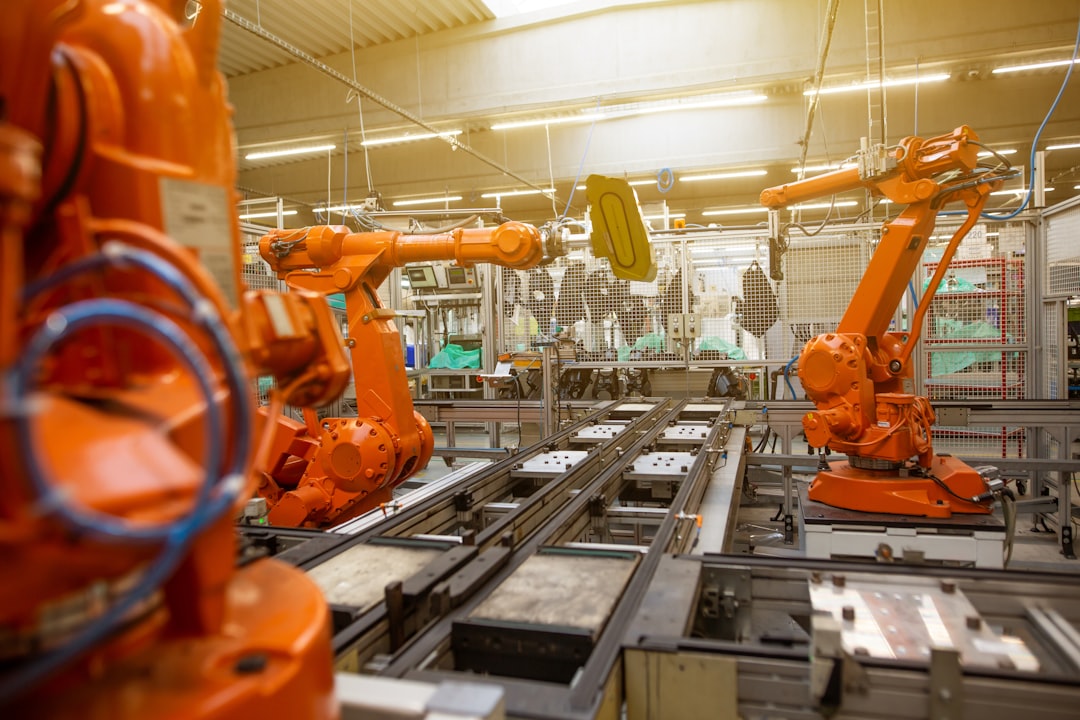
When large industrial conglomerates talk about AI, they typically focus on massive hardware deployments. Think of systems like Siemens automated weld inspections at Audi or advanced camera vision on high-speed production cells. These technologies are impressive, but they demand heavy compute infrastructure, extensive data science teams, and months of integration.
Most manufacturing plants face a very different set of headaches:
- Skilled engineers are retiring, taking decades of troubleshooting wisdom with them.
- Work orders sit inside a Computerised Maintenance Management System (CMMS), but nobody has time to search through years of cryptic notes during an outage.
- Shift handovers are inconsistent, leaving the night crew guessing what the morning team tried.
- Recurring faults get treated as isolated incidents because there is no fast way to spot patterns.
Generic chatbots do not solve this problem either. Tools like ChatGPT offer broad technical summaries, but they know nothing about your plant’s specific packaging machines, your past breakdowns, or the peculiar quirk in line three’s drive unit. If you want practical factory floor results, you need maintenance-specific intelligence grounded in your actual operational records.
If your team is already capturing maintenance records but finding it painful to pull useful insights during a breakdown, take a look at how to see how iMaintain works with your CMMS to bridge that gap without disrupting daily routines.
Why “Rip-and-Replace” Software Projects Usually Fail
Many software providers tell you that to become modern, you must ditch your legacy CMMS or Enterprise Asset Management (EAM) platform. They promise that migrating to their all-in-one ecosystem will solve every reliability issue.
In the real world, ripping out an established CMMS creates massive friction. It eats up capital, irritates frontline engineers who hate learning new user interfaces, and risks losing historical asset records.
A practical industrial AI product does not ask you to throw away your investments. Your existing CMMS is already doing its core job: serving as a dependable system of record for planning, assigning, tracking, and closing jobs. The real missing piece is an intelligence layer that sits on top.
By adding a dedicated Reliability Management Platform (RMP), you leave your system of record intact while giving engineers instant access to past fixes, technical manuals, and fault correlations right at the machine side. If you do not have an established system in place yet, you can also explore iMaintain CMMS as a straightforward way to manage work orders, assets, and planned maintenance from day one.
Core Capabilities of a True Frontline Industrial AI Product
What should you actually look for when evaluating an industrial AI product for maintenance and reliability? It comes down to four practical capabilities:
1. Contextual Troubleshooting Assistance
When a machine faults, every minute counts. Engineers do not want to wade through dense PDF manuals or sort through 800 closed work orders. A dedicated reliability tool scans your historical logs and technical documents to present the two or three most probable causes and previous fixes immediately.
To see how this works during an active stoppage, you can see AI-assisted troubleshooting in action and discover how connecting past fixes keeps technicians moving forward.
2. Spotting Repeat Failures
One of the most expensive drains on factory productivity is the recurring breakdown. A pump trips on Tuesday, an engineer resets the breaker, and the ticket is closed. Two weeks later, it happens again. A smart reliability layer analyses text patterns across months of shift notes to flag hidden failure loops, prompting maintenance teams to address root causes instead of applying temporary band-aids.
3. Effortless Knowledge Capture
Ask any plant manager what keeps them up at night, and they will mention losing senior technicians. When an experienced engineer retires, their troubleshooting intuition leaves with them. Practical AI tools capture concise notes during standard repair workflows, structuring that insight into an accessible knowledge base so junior engineers can troubleshoot with the confidence of a veteran.
4. Cleaner Shift Handovers
Shift changes are notorious for lost context. Crucial observations scribbled on paper or passed along by word of mouth vanish by morning. An intelligent reliability layer gathers the day’s events, open items, and recurring alarms into a clear, structured summary, giving incoming crews complete visibility over machine conditions.
What Plant Leaders Are Saying
Adopting new software can be daunting, but forward-thinking engineering teams are already seeing clear returns by focusing on practical assistance rather than speculative tech.
“iMaintain is far superior to other systems we’ve seen on the market. What really sets it apart is the way it uses AI to assist engineers and support root cause analysis.”
— Chris Cole, Maintenance Manager, The Senator Group“The product sells itself and the price point sits easy in anyone’s maintenance budget.”
— Chris Cole, Maintenance Manager, The Senator Group“I am excited to see how iMaintain can help our technicians get the information they need faster, support us in root cause analysis, and also help improve our PM’s by recognising trends in repeat failures.”
— James Hunter, Head of Engineering, Senstronics
These real experiences highlight a simple truth: technicians do not need more administrative software, they need focused tools that help them diagnose faults faster and eliminate repeat downtime.
If you are looking to connect your maintenance records, technical documentation, and engineer insights into a single operational hub, explore iMaintain RMP to see how a dedicated reliability layer changes daily plant performance.
Practical Steps to Prepare Your Plant Floor for AI
You do not need perfect, spotless databases to get started. Many teams delay AI initiatives because they believe their CMMS records are too messy. But waiting for clean data is a trap; data naturally improves when your team uses a system that rewards them with quick, helpful context.
Here is a sensible path forward:
- Focus on high-cost downtime areas: Identify the two or three production lines where downtime hurts your budget the most.
- Consolidate technical knowledge: Gather your equipment manuals, standard operating procedures, and past work histories for those assets into one digital space.
- Equip the frontline with quick guides: Provide technicians with clear playbooks on how to locate historical fixes quickly. You can Download our ‘When The Line Stops’ Guide for practical steps on retrieving vital maintenance information when every second matters.
- Deploy an augmentative tool: Introduce an AI platform that assists engineers rather than trying to automate their decisions. AI should empower human engineering judgement, not replace it.
Smarter Maintenance Starts Where You Stand
Building a smarter shop floor does not require complex multi-year overhauls, expensive hardware sensors on every bolt, or custom data science algorithms. True operational efficiency comes from making the valuable data you already own easily accessible to the people who turn the spanners.
By choosing a purpose-built industrial AI product, you can protect your plant against knowledge loss, lower your mean time to repair (MTTR), and eliminate repetitive machine breakdowns. You can keep your trusted CMMS in place, reduce the administrative drag on your technicians, and turn your maintenance history into an active competitive advantage.
Ready to see how an intelligent reliability layer can transform your existing maintenance setup? Book a demo today to discover how iMaintain helps your team solve equipment problems faster and build a more resilient factory floor.