
Transforming Reactive Firefighting into Continuous Reliability
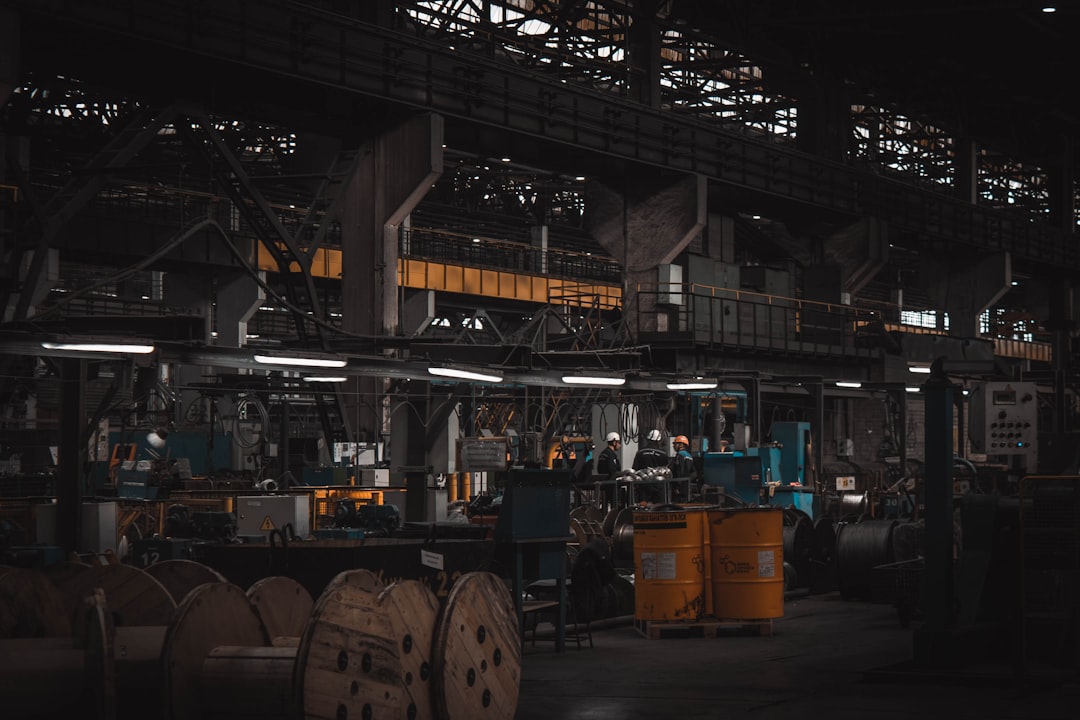
Factory floors run on razor-thin margins where every minute of unplanned downtime bites directly into profitability. Maintenance managers know the drill all too well: alarms sound, an engineer runs over with a basic toolbag, spends an hour trying to diagnose what happened, and applies a quick patch just to get the line moving again. The machine runs, but nobody captures the true cause, the shift handover is rushed, and the exact same fault returns three days later. Standard business management often overlooks the sheer administrative friction on the plant floor, yet this is precisely where modern operational workflows break down.
To fix these chronic bottlenecks, manufacturing leaders are turning toward practical, purpose-built process improvement AI that integrates directly with frontline routines. Rather than forcing teams to abandon their current computerised maintenance management systems or drowning engineers in complex dashboards, applied artificial intelligence should connect fragmented asset histories, digitise tribal know-how, and eliminate manual work order admin. When you use artificial intelligence to streamline operational management and continuous improvement, reliability shifts from a daily scramble into an automated, data-driven discipline.
The Plant-Floor Problem: High Friction and Lost Knowledge
Ask any maintenance engineer what slows them down, and you will rarely hear complaints about their mechanical tools. Instead, the complaints centre on information access and repetitive administration.
Most mid-sized to large manufacturing plants have plenty of data. They have spent years logging records into a Computerised Maintenance Management System (CMMS) or Enterprise Asset Management (EAM) tool. The problem? That data is basically a digital graveyard. When a critical packing line or robotic cell trips, finding the record of who fixed it four months ago, what parts they swapped, or which technical manual holds the schematic takes far too long.
Engineers face three main bottlenecks every shift:
- Repeat faults masquerading as new events: Without automated historical analysis, recurring trips get treated as isolated incidents. The root cause stays buried.
- The dreaded admin burden: Technicians hate sitting behind a desktop terminal filling out clunky dropdown fields. This leads to rushed, uninformative work order closure notes such as “reset sensor, line running”.
- The retirement cliff: Experienced fitters carry decades of machine quirks in their heads. When they retire, that diagnostic wisdom walks straight out the factory door.
Academic research into business process management shows that applying intelligent systems to operational processes requires strong, well-defined control points, modular data design, and transparent human-in-the-loop workflows. In an industrial plant, that means technology must assist the technician during active troubleshooting, not burden them with academic complexity.
If your plant is running into the wall of recurring line breakdowns, Download our ‘When The Line Stops’ Guide to see practical steps for getting the right technical context into technicians’ hands immediately.
How Process Improvement AI Cleans Up Industrial Workflows
Process improvement AI is not about handing full operational control over to an unmonitored algorithm. True enterprise process optimisation relies on explainable, human-centred artificial intelligence. On the shop floor, it acts as an intelligent assistant that structures messy operational data and turns maintenance records into real-time decision support.
By taking lessons from mastering reliability workflow automation in manufacturing maintenance with iMaintain, engineering teams can introduce intelligent intervention across several critical stages of work execution:
1. Contextual Troubleshooting at the Machine
Generic artificial intelligence tools like public chatbots cannot solve plant breakdowns because they lack direct visibility into your factory’s specific asset hierarchy, maintenance history, and local environment. Conversely, specialised maintenance intelligence scans historical work orders, technical PDFs, OEM specifications, and prior shift notes.
When a fault occurs, the system surfaces previous successful fixes alongside the assets most likely to be at fault. This substantially cuts Mean Time to Repair (MTTR) by eliminating guesswork.
2. Automated Root Cause and Repeat Fault Analysis
Isolated failures are easy to patch, but chronic failures drain plant output. Intelligent process automation continuously analyses closed work orders across shifts, detecting subtle failure signatures across identical machine types.
By grouping recurring symptoms that humans might miss across different shifts, the platform flags chronic defects for targeted preventive intervention. For an in-depth view of how this shifts plant strategy, read our analysis on solving chronic equipment failures: smarter root cause analysis with iMaintain.
3. Frictionless Work Order Closure
One of the largest leaks in manufacturing data quality is the work order closure process. When logging a completed task feels like doing tax paperwork, engineers do the bare minimum.
With conversational, voice- or text-driven intelligence, engineers can explain what they did in simple, everyday language. The underlying system parses the text, populates the technical fields, extracts root causes, updates the asset history, and closes the ticket.
To see this workflow in action, See AI-assisted troubleshooting in action and discover how natural engineer feedback is captured cleanly on the go.
Working Alongside Your CMMS: No Rip-and-Replace Needed
A frequent fear among engineering directors is that bringing in advanced artificial intelligence means ripping out their existing enterprise systems. Plant managers have invested hundreds of thousands of pounds and years of effort rolling out SAP, Maximo, or other platforms. The thought of starting from scratch is an instant non-starter.
This is why modern architecture decouples the system of record from the intelligence layer.
Your CMMS remains the single source of truth for compliance, parts purchasing, statutory tracking, and core scheduling. Sitting neatly alongside it is the Reliability Management Platform (RMP), such as iMaintain RMP.
The RMP extracts value from the historical data locked inside your CMMS, blends it with equipment manuals, and provides a frontline tool that engineers actually enjoy using. Where integration allows, the completed work recorded inside the RMP automatically syncs back and closes the corresponding CMMS ticket, removing double entry entirely.
If you are already managing assets through legacy software, See how iMaintain works with your CMMS without causing operational disruption.
Responsible AI: Transparency, Trust, and Operational Governance
Recent academic papers on responsible business process management highlight that enterprise artificial intelligence must adhere to core principles: fairness, accuracy, confidentiality, and transparency. In a manufacturing environment, accuracy and transparency are everything.
If a system tells an engineer to replace an expensive servo motor without explaining why, the engineer will rightly ignore it. Factory teams do not trust “black-box” systems.
Practical process improvement AI builds trust through four operational pillars:
- Explainable Recommendations: Every suggestion or suggested fix points back to traceable evidence, whether it is a specific work order from six months ago or a diagram in the machine manual.
- Human-in-the-Loop Decisions: The technology never replaces engineering judgement. It provides recommendations and context; the qualified technician makes the call.
- Data Security and Containment: Operational plant data must remain strictly isolated and protected, adhering to strict enterprise privacy standards and regional rules like UK GDPR.
- Interactive Learning: As engineers accept, modify, or reject recommendations, the system refines its understanding of your facility’s physical machinery.
Understanding the direct connection between frontline technicians and software execution is essential; see how this works in practice by reading about empowering frontline engineers: the iMaintain approach to connected reliability.
For plants taking their first steps without any digital system of record in place, you can also Explore iMaintain CMMS as an all-in-one platform built to track planned maintenance and assets right from day one.
What Plant Leaders Say About iMaintain
Real-world success is measured on the plant floor by engineering leaders managing high-volume production lines. Here is what industry professionals experience when moving away from clunky administration to intelligent reliability workflows:
“iMaintain is far superior to other systems we’ve seen on the market. What really sets it apart is the way it uses AI to assist engineers and support root cause analysis.”
— Chris Cole, Maintenance Manager, The Senator Group“The product sells itself and the price point sits easy in anyone’s maintenance budget.”
— Chris Cole, Maintenance Manager, The Senator Group“I am excited to see how iMaintain can help our technicians get the information they need faster, support us in root cause analysis, and also help improve our PM’s by recognising trends in repeat failures.”
— James Hunter, Head of Engineering, Senstronics
These frontline endorsements demonstrate that practical, reliability-focused tools deliver value where it counts: speeding up diagnostic work, protecting plant budgets, and helping maintenance teams continually refine their preventative maintenance strategies.
To find out how your facility can achieve similar gains, Explore iMaintain RMP to see how unified data drives better daily engineering decisions.
Step-by-Step: Implementing Process Improvement AI in Your Plant
Shifting from reactive chaos to proactive reliability does not happen overnight, but you do not need an eighteen-month digital transformation project to get started. By focusing on practical steps, plants can realise rapid gains:
Step 1: Centralise Your Maintenance History
Take the data you already have. Pull together historical CMMS logs, equipment manuals, standard operating procedures, and warranty records. Do not worry if the data is messy or inconsistent; machine-learning models excel at parsing unstandardised, free-text records.
Step 2: Focus on Repeat Offenders
Identify the top three machines causing unexpected stoppages. Use the intelligence layer to group failure modes and pinpoint root causes. Often, you will find that different shifts have been treating identical mechanical symptoms with different temporary fixes.
Step 3: Streamline the Shift Handover
Inconsistent handovers create massive downtime. When outgoing technicians must write essays, details get missed. By using assistive intelligence to draft summaries of open tasks, replaced parts, and running issues, oncoming engineers can walk onto the floor with full visibility.
Step 4: Validate and Scale
As engineers realise that the system cuts their desk time and helps them solve issues faster, adoption skyrockets. Expand the intelligence layer across lines, departments, and sister facilities to build a company-wide knowledge base that never retires.
The Path to Next-Generation Reliability
Modern industrial operations cannot afford to treat business process management as an abstract corporate exercise. Every process on the factory floor, from logging a fault to diagnosing an intermittent sensor failure, directly shapes machine availability, team morale, and plant profitability.
Generic artificial intelligence tools lack factory context, while traditional CMMS tools demand too much administrative overhead from busy engineers. By introducing a focused layer of process improvement AI, manufacturing organisations bridge the divide: freeing technicians from tedious data entry, preserving precious tribal expertise, and eliminating recurring machine failures.
Ready to see how an intelligence layer fits into your current maintenance operations? Book a demo with our engineering team today, or contact us directly at iMaintain to see our Reliability Management Platform live.