
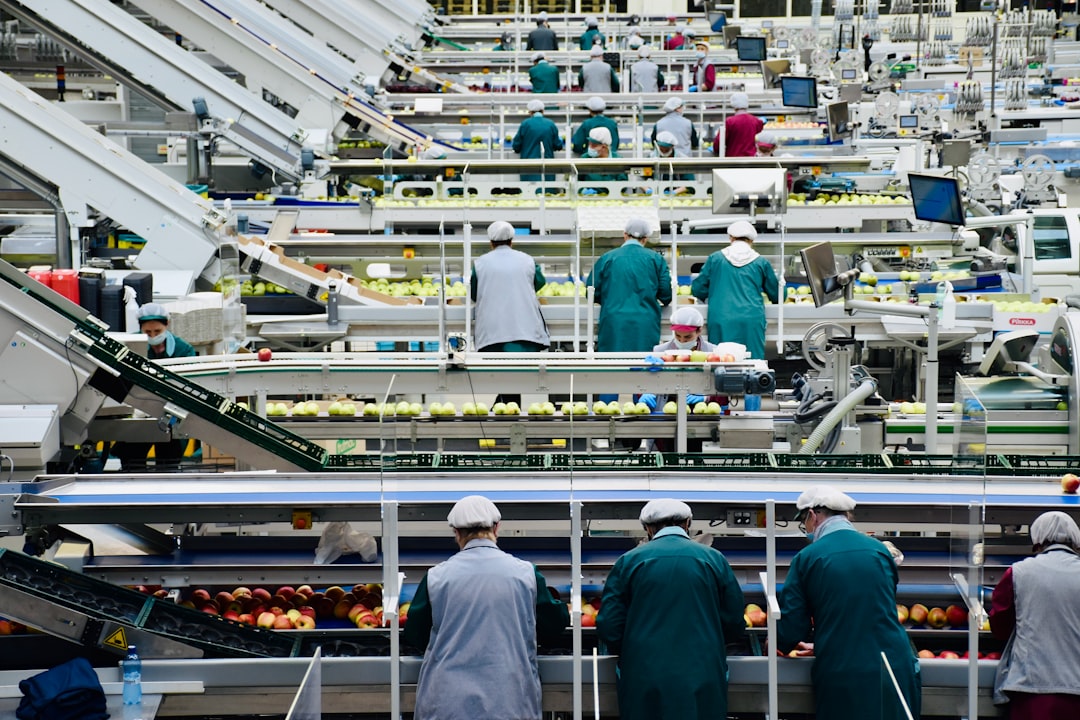
Why Modern Plants Are Rethinking Daily Engineering Execution
Every plant manager knows the gut-wrenching feeling of an unexpected red light flashing on the packaging line. Alarms ring, production boards pause, and hundreds of pounds drain away every minute the conveyors sit idle. Traditional maintenance models urge engineers to scramble, pull up thick paper manuals, or scroll endlessly through hundreds of disjointed work order records in a sluggish system. The real problem rarely comes down to a lack of effort; rather, critical historical knowledge remains locked away in disparate systems or trapped inside the heads of veteran engineers who happen to be off-shift.
Deploying practical AI maintenance workflows bridges this painful gap by giving your shop-floor teams instant access to the exact diagnostic steps, historical repair notes, and technical manual diagrams needed right at the machine side. By connecting your existing records, original manuals, and real-time engineering expertise into an intelligent network, plants can dramatically cut Mean Time to Repair (MTTR) while preventing chronic issues from returning. If you are keen to transform your factory floor without replacing your existing operational infrastructure, check out how to build reliable AI maintenance workflows that support frontline technicians during critical plant stoppages.
The Reality of Plant Maintenance: The High Cost of Search Time
When critical machinery breaks down, the bulk of downtime is not actually spent turning spanners. It is spent diagnosing the fault.
Consider a typical bottling plant running continuous shifts. A high-speed palletiser trips on an intermittent electrical fault. The technician on duty inspects the motor drive, checks the wiring, and attempts a restart. Nothing happens. They log into the plant Computerised Maintenance Management System (CMMS) and search for the fault code. They find 400 closed work orders that merely say “investigated line stoppage, reset sensor, running clear”.
There is zero contextual detail. The engineer is essentially starting from scratch on a problem that was likely solved three weeks ago on the night shift.
This diagnostic bottleneck costs heavy industry dearly. In high-stakes manufacturing, deferred production and uncoordinated troubleshooting directly eat into operating margins. When technicians cannot immediately surface previous solutions, plants suffer from repeated trial-and-error maintenance, damaged components, and exhausted shifts.
Understanding this operational reality is why smart engineering teams focus on achieving measurable equipment downtime reduction with purpose-built AI. Instead of forcing engineers to become administrative clerks searching through endless digital archives, modern tools must serve answers directly where the work happens.
If your team constantly faces pressure during unscheduled line trips, Download our ‘When The Line Stops’ Guide to discover practical methods for surfacing critical repair records when every second counts.
What Are AI Maintenance Workflows?
An AI maintenance workflow is not a generic chatbot answering high-level engineering questions with vague internet advice. Generic tools fail on the factory floor because they do not know your machines, your environment, or your team’s specific operating history.
Instead, an authentic industrial AI workflow works as a dedicated operational intelligence layer. It sits on top of your existing engineering ecosystem, drawing together:
- Past work order histories and engineer close-out notes
- Original equipment manufacturer (OEM) manuals and technical schematics
- Real-time fault codes and operator observations
- Verified institutional know-how from senior technicians
When an engineer encounters a hydraulic fault on an injection moulding press, the system analyses the current symptoms against years of maintenance records, specific asset documentation, and similar fault patterns. Within seconds, it highlights the top three most probable causes, lists the exact tools or spare seals required, and surfaces the specific fix that resolved the issue the last time it occurred.
To see how an intelligent operational layer links your technical data, asset histories, and shift insights, take a moment to Explore iMaintain RMP.
Moving Beyond Sensor-Only Predictive Maintenance
A lot of noise surrounds industrial artificial intelligence, particularly around sensor-based predictive maintenance. Predictive platforms that monitor vibration, thermography, and acoustics are undeniably powerful. Energy giants like Shell and Occidental Petroleum have famously poured millions into machine learning models to detect auxiliary equipment anomalies, pipe corrosion, and pump failures offshore before disasters occur.
Yet, many manufacturing plants run into a hard wall when trying to replicate heavy-industry sensor projects:
- Massive Capital Outlay: Equipping thousands of legacy factory assets with high-frequency telemetry sensors costs a fortune.
- Alert Fatigue: Sensors generate vast seas of raw data. Without context, maintenance teams simply end up with a flood of alarms they have no time to triage.
- The Frontline Execution Gap: A sensor can tell you a bearing is running hot. It cannot tell an apprentice technician that the lubrication line for that specific conveyor has a tricky elbow joint prone to airlocks, which was documented three months ago in an engineer’s handwritten notes.
Real-world reliability requires closing the gap between operational signals and the actual human response on the plant floor. As companies like Shell have discovered, technical teams back in an office often make assumptions that do not match the day-to-day realities frontline operators face.
AI maintenance workflows bridge that divide. They do not replace engineering intuition; they empower the engineer standing in front of the asset with immediate, contextual knowledge. By mastering smarter maintenance data consolidation without replacing your CMMS, plants can capture immense value from the records they already own before investing millions into external sensor arrays.
To discover how your engineers can leverage historical data, past repairs, and manuals during sudden breakdowns, explore how to See AI-assisted troubleshooting in action across your plant.
Why You Do Not Need to Replace Your Existing CMMS
One of the largest hurdles to adopting new maintenance technology is the fear of software migrations. Engineering managers shudder at the thought of a “rip-and-replace” project. Swapping out a legacy CMMS or Enterprise Asset Management (EAM) platform takes months, costs tens of thousands of pounds, and triggers immense pushback from technicians tired of administrative changes.
Here is the truth: your CMMS does not need replacing.
A traditional CMMS is an essential system of record. It is fantastic for logging assets, tracking inventory, running preventive maintenance schedules, and generating compliance audits. However, it was never designed as an intuitive, dynamic knowledge assistant for a technician carrying a spanner.
This is where a dedicated Reliability Management Platform (RMP) like iMaintain RMP excels. It integrates directly alongside your existing CMMS. The CMMS remains the master record for work orders, while the intelligence platform provides frontline engineers with fast search, root-cause guidance, and streamlined data capture. In supported setups, engineers can record completed jobs in the platform and securely close the corresponding CMMS work order in one touch, eliminating annoying duplicate data entry.
If your plant already relies on an established maintenance database, you can See how iMaintain works with your CMMS to extract deeper value from your everyday logs without disrupting ongoing operations.
What True Maintenance Leaders Say
Real validation comes from the factory floor, where engineers test software against high-pressure production deadlines. Manufacturing leaders who have introduced dedicated reliability platforms consistently highlight the massive difference between generic tools and purpose-built maintenance intelligence:
“iMaintain is far superior to other systems we’ve seen on the market. What really sets it apart is the way it uses AI to assist engineers and support root cause analysis.”
— Chris Cole, Maintenance Manager, The Senator Group“The product sells itself and the price point sits easy in anyone’s maintenance budget.”
— Chris Cole, Maintenance Manager, The Senator Group“I am excited to see how iMaintain can help our technicians get the information they need faster, support us in root cause analysis, and also help improve our PM’s by recognising trends in repeat failures.”
— James Hunter, Head of Engineering, Senstronics
These teams realise that real reliability gains come from freeing engineers from digital clutter, allowing them to fix problems faster and stamp out repetitive defects for good.
Eliminating Chronic and Repeat Failures
The bane of any maintenance manager’s existence is the repeat fault. A conveyor motor trips on Tuesday morning. A technician resets the breaker. It trips again on Thursday afternoon. Another technician replaces a fuse. On Saturday night, the drive fails completely, causing four hours of unrecoverable production loss.
Because these incidents occurred across different shifts and were handled by different individuals, they were treated as isolated events. In reality, they were early warnings of a single chronic root cause, such as a failing gearbox bearing or unbalanced load.
By incorporating continuous pattern recognition across your historical work logs, move beyond temporary fixes with repeat fault elimination. An intelligent system automatically tags recurring equipment patterns, warning engineers when an asset has tripped multiple times in a short window.
This moves your organisation away from quick-fix band-aids and towards permanent, structured root-cause resolution, improving your Overall Equipment Effectiveness (OEE) and protecting capital assets.
Solving the Knowledge Drain: Protecting Factory Know-How
Across UK manufacturing, an invisible crisis is unfolding: the engineering retirement cliff. Highly experienced maintenance fitters and electrical leads who have tended plant machinery for three decades are preparing to retire.
When these veterans clock out for the last time, their hard-won knowledge walks out the door with them. They know by heart that a particular bottling carousel needs a five-millimetre clearance rather than what the official manual states, or that an extruder motor hums slightly before a heater band blows. Apprentices and newly hired technicians are left without this vital context, causing MTTR to inflate dramatically.
AI-driven maintenance workflows solve the tribal knowledge trap by changing how data is gathered:
- Low-Friction Capture: Frontline engineers can dictate or rapidly input clear diagnostic notes without facing complex, multi-page software forms.
- Context Enrichment: The platform automatically links notes to specific asset tags, failure modes, and past solutions.
- Automated Shift Handovers: Rather than messy whiteboards or missed verbal updates, clear summaries of active breakdowns, ongoing repairs, and open observations are compiled automatically from daily activity.
By making knowledge capture part of the normal daily rhythm, every single repair makes the entire team smarter. The apprentice on shift six months from now benefits directly from the senior engineer’s fix made today.
If your plant does not yet have a core system in place to structure these daily asset activities, take time to Explore iMaintain CMMS as an intuitive, unified starting point for managing work orders, PM schedules, and physical equipment.
The Step-by-Step Path to Intelligent Workflows
Adopting artificial intelligence on the factory floor does not demand a multi-year digital transformation programme. It requires practical, pragmatic execution:
- Connect Existing Maintenance History: Integrate your current CMMS records, equipment manuals, wiring diagrams, and standard operating procedures into a unified intelligence layer.
- Enable Fast Frontline Retrieval: Equip technicians on the floor with mobile search tools that deliver exact previous fixes, component lists, and manual pages in seconds.
- Streamline Data Input: Make closing out a work order easy. When technicians realise their notes actually help them solve future problems, data quality skyrockets naturally.
- Target Chronic Faults: Use automated trend detection to pinpoint the top five repeating failures driving your downtime figures, then apply permanent engineering adjustments to eliminate them.
By following this disciplined path, plant operations become calmer, more predictable, and substantially more productive.
Whether you run automotive lines, food processing facilities, or heavy chemical plants, improving uptime begins by giving your engineering team tools that support their daily troubleshooting reality. Ready to see how practical intelligence can elevate your team’s operational reliability? Book a demo with our technical specialists today to explore your plant’s specific challenges and see our platform working with your existing systems.