
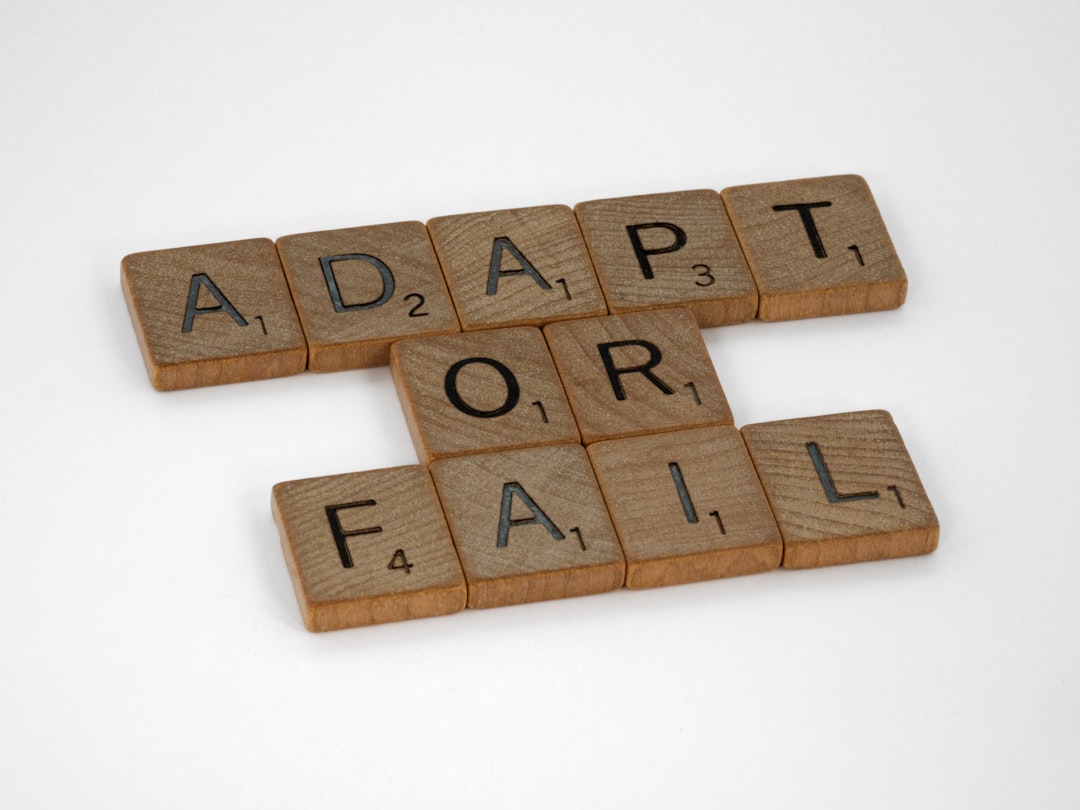
Introduction: Embracing AI Adoption Challenges Head-On
AI adoption challenges can feel like navigating a maze in the dark. You invest in a shiny model, watch it perform beautifully in testing, and then… nothing. It stalls, accuracy drifts, users lose trust. Sound familiar? In this guide, we unpack why many maintenance-focused AI initiatives fizzle out and how to build a living system that thrives. Along the way, you’ll catch proven tactics to assign clear ownership, set up monitoring, and embed AI into daily workflows—so it never goes stale. Navigate AI adoption challenges with iMaintain — The AI Brain of Manufacturing Maintenance can be your roadmap.
Reactive maintenance is reactive for a reason: it reacts. It waits for a breakdown, then scrambles for data, left to piece together insights from scattered notes, ageing spreadsheets or siloed CMMS entries. That scatter creates hidden decay in AI models. Without a disciplined lifecycle plan, your “predictive” solution is just another static asset gathering dust. iMaintain offers a human-centred AI layer that captures frontline know-how, maintains context, and orchestrates regular refresh cycles—so you don’t face the same AI adoption challenges next quarter.
Understanding AI Adoption Challenges in Maintenance
Before you bolt on the first algorithm, it pays to spot the obstacles on the path. Most manufacturing teams cite:
- Unclear accountability. Who owns the AI once the vendor leaves?
- Data drift. Patterns shift when production schedules or raw materials change.
- Lack of monitoring. You only notice failure when users walk away.
- Org silos. Models exist in a vacuum, detached from daily repairs.
These pitfalls are classic AI adoption challenges. You might nail initial accuracy, but without a lifecycle plan, everything unravels. Think of it like a car: you’d never just fill the tank and leave it—regular checks keep you on the road. Treat your AI with the same discipline.
Why AI Projects Fail Without Clear Ownership
“Who’s in charge of this thing?” If that question has no solid answer, you’re on a ticking clock.
- No single owner. Once the data scientist and the consultant exit stage left, nobody tracks performance.
- No SLAs. Uptime, latency, retraining cadence—they never make it into budgets or reviews.
- Hidden drift. Your dashboard shows green lights at launch, but months later accuracy has slid below acceptable limits.
- No feedback loops. Engineers can’t flag misfires or suggest prompt tweaks in real time.
When models slip quietly, trust evaporates before you even see the alert. Adoption stalls. ROI slides. The project quietly dies. Overcoming these AI adoption challenges demands one clear change: assign a product owner who shepherds the AI through its entire lifecycle.
Building a Robust Maintenance Lifecycle for AI
A living AI system needs more than code. It craves a structured process—what some call MLOps or GenAIOps. Here’s a simple playbook:
- Assign a model owner.
- Define success metrics beyond initial accuracy: drift thresholds, user satisfaction, repair time improvements.
- Implement telemetry. Watch latency, confidence scores, data quality.
- Schedule regular refresh cycles. Quarterly retraining or monthly prompt updates.
- Integrate performance reviews. Make AI health a recurring agenda item in ops meetings.
This may sound like admin noise. But without these steps, you’ll keep revisiting the same problems. Addressing AI adoption challenges head-on means treating AI like any other critical service—no heroics required.
The Human-Centred Approach: iMaintain’s Answer
iMaintain is built around the reality that manufacturing AI shines when it amplifies engineer expertise, not replaces it. Here’s how:
- Context-aware decision support surfaces proven fixes and root-cause history at point of need.
- Every repair, work order and improvement action feeds a growing intelligence layer—locking in tribal wisdom.
- Intuitive shop-floor workflows guide engineers through best practices, reducing guesswork.
- Supervisors get clear progression metrics on reliability and maintenance maturity.
With this human focus, iMaintain avoids two common traps: overreaching too fast for perfect prediction and underwhelming users with generic alerts. Instead, it compounds value from day one.
After mapping your workflows, iMaintain can slot in alongside your current CMMS or spreadsheet routines. You don’t rip and replace; you augment and evolve. Understand how it fits your CMMS
Practical Steps to Ensure Ongoing AI Support
Let’s walk through a real-world example. A UK aerospace manufacturer grappled with repetitive turbine sensor faults. Each time, engineers repeated the same root-cause analysis from scratch. They lost hours—and parts.
With iMaintain:
- They captured every past fix as structured intelligence.
- A clear owner tracked sensor-drift metrics and set up monthly drift reviews.
- The team used built-in alerts when confidence dipped, triggering a prompt-pack refresh.
- Over six months, mean time to repair (MTTR) dropped by 30%, and repeat failures halved.
This isn’t magic. It’s disciplined ownership and regular maintenance cycles. No more firefighting the same issue. No more surprises. Book a demo with our team to see how it works in your plant.
Overcoming Cultural and Data Hurdles
Technical safeguards are vital—but culture can make or break progress. Here’s how to rally your team:
- Start small. Pilot on a single asset line. Prove value, then expand.
- Empower champions. Identify a maintenance engineer who believes in AI. Give them the tools to evangelise.
- Reward sharing. Recognise teams that log data consistently. A simple leaderboard boosts engagement.
- Link to KPIs. Tie AI health metrics back to downtime targets or quality goals.
On the data side, you don’t need pristine datasets. iMaintain works with the information you already have: historical maintenance notes, work order logs and sensor feeds. It then structures this into a living knowledge graph—no data science degree required.
Two more things to bear in mind:
- Be transparent. Show engineers how insights are generated.
- Iterate fast. Small tweaks to prompt packs or retraining plans can yield big lifts in trust and accuracy.
Tackle these elements and you’ll clear the biggest social roadblocks to AI adoption challenges.
Mid-Article Check-In
We’ve covered ownership, process and culture. Now, imagine if every maintenance action in your plant built towards a smarter tomorrow. That vision is within reach. See how iMaintain tackles AI adoption challenges head-on
Measuring Success and Scaling Up
Metrics matter. Here are the KPIs to watch:
- Asset uptime.
- Mean Time To Repair (MTTR).
- Frequency of repeat failures.
- User adoption rates (log-ins, tasks completed in the platform).
- Drift alerts versus actual performance drops.
Start with a baseline, then track monthly. Celebrate wins and adjust targets as you go. With each cycle, AI adoption challenges shrink—and maintenance teams gain confidence.
As you scale, integrate more data sources: environmental sensors, quality reports, operator logs. Each new feed enriches the intelligence layer. But never forget the human: keep engineer feedback loops short. Their frontline insights are your secret weapon.
Securing Long-Term AI Maintenance Success
To bullet-proof your AI:
- Publish SLAs for retraining and uptime.
- Allocate budget for ongoing MLOps support.
- Embed review cadences into ops rituals.
- Rotate ownership periodically to avoid single-point burnout.
iMaintain sits at the centre of this effort, automating drift detection and surfacing actionable insights without extra admin burden. Whether you run discrete manufacturing, aerospace or automotive lines, the platform flexes to your context.
Review our pricing options and discover plans that grow with you.
Conclusion: Future-Proofing Maintenance with iMaintain
AI adoption challenges don’t have to be a roadblock. With clear ownership, a robust MLOps framework and a human-first design, you can build a maintenance intelligence engine that only gets smarter. iMaintain captures your team’s experience, refreshes insights regularly and keeps everyone on the same page—so you slash downtime, accelerate repairs and safeguard knowledge for the long haul.
Ready to turn your maintenance department into a powerhouse of shared intelligence? Speak with our team for tailored advice and start your journey towards reliable, AI-powered maintenance.
Whether you’re just starting or facing drift in existing models, don’t let your efforts fizzle out. Embrace a realistic, phased approach to AI that preserves value—and trust—at every step. Start addressing AI adoption challenges today with iMaintain — The AI Brain of Manufacturing Maintenance