
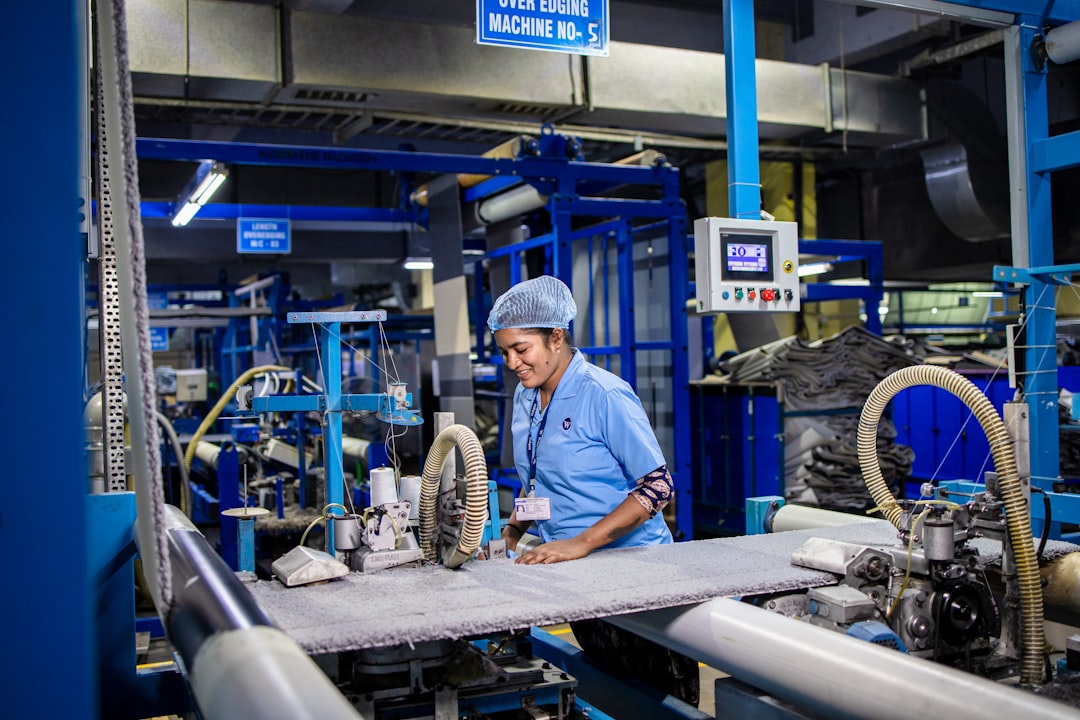
Shift from Firefighting to Forecasting: A Proactive Preview
In today’s shop floors, unexpected breakdowns cost hours of production—and thousands in lost revenue. Enter manufacturing predictive maintenance, the art of spotting issues before they cascade into unplanned downtime. It’s not magic. It’s about gathering what your engineers already know, shaping it into shared intelligence, and using AI-driven insights to take action at the right time.
This guide walks you through the steps to build a truly proactive maintenance operation, using iMaintain’s human-centred platform as our blueprint. You’ll learn how to capture fragmented data, empower your team with context-aware support, and steadily progress from reactive repairs to confident forecasting. Ready to see how iMaintain transforms everyday maintenance into lasting organisational wisdom? iMaintain — The AI Brain of Manufacturing Predictive Maintenance
1. Assess Your Maintenance Baseline
Before you chase predictions, you need to know where you stand. Most UK manufacturers juggle:
- Spreadsheets scattered across drives
- Under-utilised CMMS modules
- Whiteboard notes hiding critical fixes
Take two main steps:
- Map out your existing workflows
- Identify data gaps (e.g. missing vibration logs, incomplete work orders)
By pinpointing these weak spots, you’ll learn why manufacturing predictive maintenance can’t skip the human layer. It thrives on solid foundations: accurate records, skilled engineers and a clear view of your assets’ history.
2. Capture and Structure Operational Knowledge
Your engineers carry decades of know-how in their heads. When that wisdom leaves with retirements or shift changes, you’re back to ground zero. iMaintain tackles this by turning daily fixes into shared intelligence:
- Automated templates guide engineers to log symptoms, root causes and resolutions
- Asset histories are linked to specific machines, lines and even sensor readings
- Every fix, from bearing grease changes to motor rewinds, builds your knowledge base
With this structured layer, your team can avoid repetitive fault diagnosis. No more hunting through notebooks or chasing email threads. Instead, you get a living repository that grows richer each time a job is closed.
3. Implement Fast, Intuitive Workflows
Complex platforms scare busy maintenance crews. iMaintain keeps things practical:
- Simple mobile views show real-time to-do lists
- Step-by-step guidance surfaces previous fixes at exactly the right moment
- Supervisors see progress dashboards without extra admin
Instant visibility. Zero extra paperwork. By focusing on ease-of-use, engineers adopt the system naturally—and you collect clean data without forcing new habits.
Curious how this fits alongside your existing CMMS? Understand how it fits your CMMS
4. Leverage AI-Driven Insights
Once you’ve consolidated data, the AI layer becomes powerful:
- Pattern detection highlights assets trending toward failure
- Context-aware recommendations suggest proven fixes in seconds
- Prioritisation engines rank jobs by criticality, not just age
This isn’t about flashy dashboards. It’s about concrete support on the shop floor. When a motor temperature and vibration spike together, iMaintain flags it and reminds your team of a similar bearing fault resolved last month. Faster fixes. Fewer surprises.
Midway Checkpoint: Take the Proactive Leap
Ready to bridge the gap from reactive maintenance to real forecasting? iMaintain — The AI Brain of Manufacturing Predictive Maintenance
5. Transition to Predictive Maintenance
Building confidence takes time. Here’s a gradual approach:
- Start with high-value assets (CNC spindles, critical conveyors)
- Apply condition-based triggers (vibration, temperature, oil analysis)
- Compare real-time sensor data against historical trends
By validating predictions on a handful of machines, you prove ROI fast. Then scale up—adding more measurements, more assets, more engineers in the loop.
Explore AI for maintenance to see predictive workflows in action.
6. Optimise Spare Parts and Inventory
One hidden benefit of timely forecasts? You order parts just in time:
- Keep only critical spares on-hand
- Reduce capital tied up in bins
- Minimise emergency orders
A lean parts inventory lowers costs and shortens repair times. No more frantic hunts for obsolete bearings or custom seals.
7. Monitor, Measure and Improve
True maturity comes from continuous feedback:
- Track MTTR and repeat-failure rates
- Capture user feedback directly in maintenance records
- Hold regular reviews to refine triggers and workflows
Over months, you’ll see:
- Fewer breakdowns
- Shorter downtime windows
- A confident, self-sufficient engineering team
Reduce unplanned downtime and keep your lines humming.
Real Voices: Testimonials
“I used to dread machine failures. With iMaintain’s suggestions, we cut repeat faults by 40% in three months. The system feels like an extra engineer on shift.”
— Sarah Mitchell, Maintenance Manager, Automotive Components
“Capturing our senior engineer’s fixes used to take weeks. Now it’s automatic. We’ve slashed MTTR by 30% and our new hires learn on the job.”
— Tom Edwards, Operations Lead, Food & Beverage Manufacturer
“From spreadsheets to real forecasts—iMaintain gave us clarity. We no longer guess when to schedule maintenance.”
— Priya Singh, Plant Manager, Precision Engineering
Wrapping Up and Next Steps
Proactive, AI-driven maintenance isn’t a leap of faith. It’s a steady journey that starts with capturing what you already know. iMaintain offers:
- A human-centred AI platform built for real factories
- Intuitive workflows that engineers actually use
- A clear path from reactive tasks to manufacturing predictive maintenance
Ready for consistent uptime and smarter decisions? iMaintain — The AI Brain of Manufacturing Predictive Maintenance