
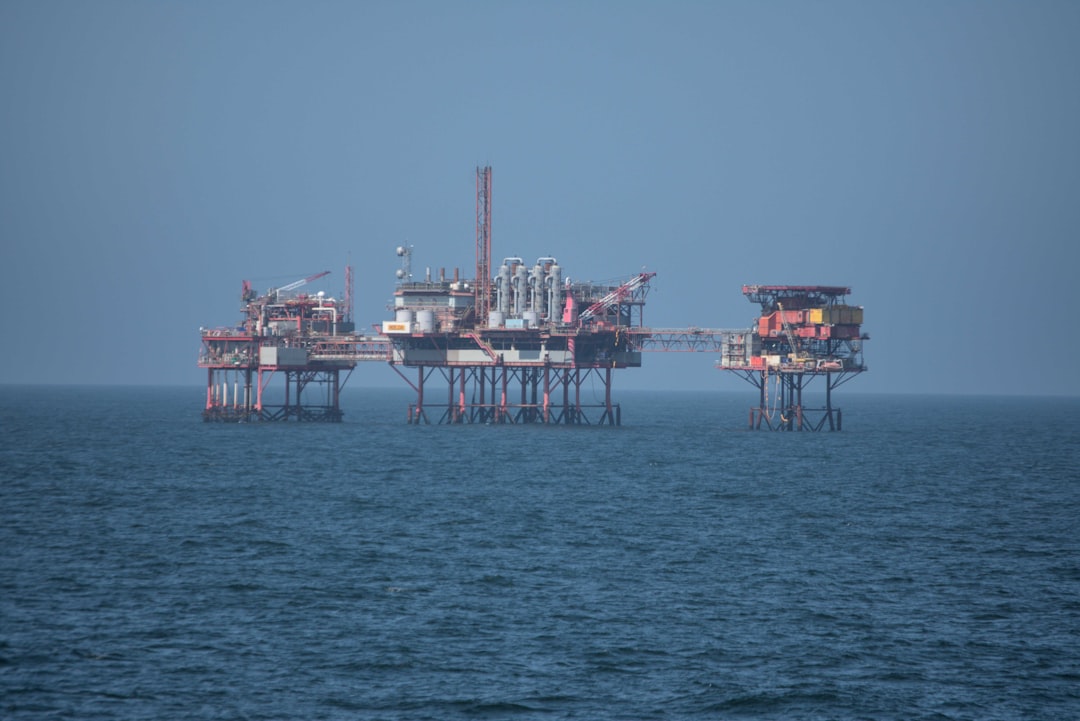
Why Humans Matter in Oil and Gas Predictive Maintenance
Oil and gas predictive maintenance often conjures images of algorithms crunching sensor data in the cloud—and yes, that’s part of it. But real success hinges on the lessons and know-how your engineers already carry. Imagine catching turbine bearings wearing down before they scream to a halt or spotting a minor leak in a subsea pump before downtime cascades costs. That’s the promise of a human-centred approach: blending AI’s pattern-spotting power with the collective expertise your team has honed over decades. It’s not about replacing skilled engineers—it’s about amplifying their impact with targeted insights at the right moment.
We’ll unpack how to build a practical, low-risk pathway from reactive fixes to oil and gas predictive maintenance that works day-to-day on your platforms and processing plants. Along the way, you’ll see how iMaintain captures and structures every repair note, every asset context point, and every root-cause analysis so your whole team learns faster—and costly mistakes don’t repeat. Ready to explore oil and gas predictive maintenance with iMaintain — The AI Brain of Manufacturing Maintenance?
Explore oil and gas predictive maintenance with iMaintain — The AI Brain of Manufacturing Maintenance
Understanding Predictive Maintenance in Oil and Gas
Maintenance in upstream and midstream operations spans three basic modes:
- Corrective maintenance kicks in only after a failure. It’s quick for small glitches but can trigger unplanned shutdowns and inflated repair bills.
- Preventive maintenance follows fixed schedules or run-time hours. It stretches asset life but risks over-servicing equipment that’s still in good shape.
- Predictive maintenance uses data and AI to forecast faults before they happen, so interventions are timed precisely when needed.
In oil and gas, continuous operations mean assets degrade even when production never stops. According to McKinsey, AI-driven predictive maintenance can cut equipment stoppages by 30-50% and extend asset life by 20-40%. By shifting from calendars and hunches to data-driven insights, teams avoid needless downtime and focus resources where they matter.
Learn about AI powered maintenance and see how small anomalies morph into big savings whenever you catch them early. Learn about AI powered maintenance
The Three Pillars of Effective Predictive Maintenance
To unlock oil and gas predictive maintenance, you need three core capabilities:
1. Data Contextualisation
Your facility sprays off gigabytes of sensor and work-order data—but raw logs don’t tell the full story. Contextualisation connects vibration trends, temperature spikes, and maintenance history to an asset’s unique operating profile. That means your AI engine isn’t chasing noise; it’s learning from treated, labelled data that reflects your plant’s reality.
2. Reality Capture & 3D Modelling
Walking a rig deck with clipboards is labour-intensive and error-prone. Reality capture techniques like LiDAR scanning and photogrammetry let you build a digital twin of platforms, pipework and pump rooms. Overlay manuals, inspection reports and spatial data in one virtual environment. When computer vision spots corrosion on a weld or pitting in a heat exchanger, it flags the exact coordinate and severity—no guesswork.
3. Machine Learning & Anomaly Detection
At its heart, predictive maintenance is a machine learning problem: feed the algorithm historical performance plus real-time measurements, then let it learn which patterns foreshadow breakdowns. Over time, it picks up on subtle shifts—ball bearing wear, creeping pressure drops—faster than any manual review. That lets you plan tasks by risk, not by calendar week.
By combining these pillars, you move from “fire-fighting” to a smooth, reliable flow of maintenance tasks.
Improve asset reliability in your oil and gas operations
The Human-Centred AI Approach of iMaintain
iMaintain isn’t a black box of predictions. It’s built around the people who know your plant best:
- Capturing expertise: Every engineer’s fix, root cause and workaround is logged in an intuitive workflow. No more hunting through notebooks or endless email threads.
- Shared intelligence: Once a fix is proven on one asset, it becomes a reference for the next. Knowledge compounds rather than disappearing when someone retires or moves on.
- Assisted workflows: Context-aware prompts guide technicians at the point of need. See the most relevant asset history, past repairs and safety notes right in your CMMS interface.
This human-centred design builds trust on the deck and in the control room. Engineers feel supported rather than replaced—and they adopt the system because it eases their daily grind.
See how the platform works
Practical Steps to Implement Oil and Gas Predictive Maintenance
Ready to bring human-centred AI to your maintenance team? Here’s a phased roadmap:
Audit & Consolidate Knowledge
Pull together sensor logs, work orders, inspection reports and tribal know-how. iMaintain helps you structure that data—tagging assets, labelling failure modes and linking current tasks to past fixes.Integrate with Existing Systems
No need to rip and replace your CMMS or historian. iMaintain plugs into your current setup, pulling in live telemetry and updating work orders with AI-driven recommendations.Enable Assisted Workflows
Train engineers on bite-sized guided workflows. At each step—diagnosis, part replacement, safety checks—the system surfaces the most relevant insights. Fault codes, torque specs, lock-out procedures: it’s all there.Monitor, Measure & Refine
Track mean time between failures (MTBF), mean time to repair (MTTR) and maintenance maturity. As your data volume grows, AI confidence rises—so predictions get sharper, and your schedule aligns more closely with real need.
With these steps, you move smoothly from reactive break-fix to oil and gas predictive maintenance that’s trusted by your whole team.
Talk to a maintenance expert
Long-Term ROI: Measuring Success and Cost Considerations
Investing in predictive maintenance isn’t just about cutting unplanned downtime. It’s about preserving critical engineering knowledge, standardising best practice and building an autonomous workforce. Key metrics to watch:
- Downtime reduction: Industry studies show a 5-15% drop in facility downtime with AI-backed maintenance.
- Repair efficiency: Shorter MTTR by 10-20% as technicians follow proven workflows.
- Asset life extension: Up to 40% longer equipment life thanks to timely, precise interventions.
- Knowledge retention: Reduced onboarding time for new hires—no more relying on shadow shifts or tribal memory.
Budgeting models vary by site size and complexity, but most UK plants see ROI within 6-12 months. For detailed models and subscription tiers, it’s worth reviewing our plans.
View pricing options
Customer Voices
“Before iMaintain, our offshore teams were firefighting the same pump failures every month. Now we diagnose issues faster, and that knowledge sticks. We’ve cut repeat breakdowns by over 30%.”
— Laura Jenkins, Maintenance Lead at North Sea Operations
“Integrating our CMMS with iMaintain was seamless. The AI suggestions feel like a senior engineer leaning over your shoulder—pointing out what to check next. Downtime is down 20% in six months.”
— Ahmed Patel, Reliability Engineer, Gulf Coast Refinery
“As we hired new talent, iMaintain became our living manual. Instead of scouring paper files, engineers tap into past fixes. We’re seeing more confident troubleshooting on shift one.”
— Fiona McAllister, Plant Manager, Aberdeen Processing
Conclusion and Next Steps
Oil and gas predictive maintenance doesn’t have to be a leap into the unknown. By capturing your engineers’ wisdom, structuring it with AI and guiding every workflow, you build a reliable, knowledge-rich operation. iMaintain delivers a human-centred path from spreadsheets and reactive fixes to proactive, data-driven care—without disrupting your day-to-day.
Ready to transform your maintenance strategy?
Transform your operations with oil and gas predictive maintenance and iMaintain — The AI Brain of Manufacturing Maintenance