
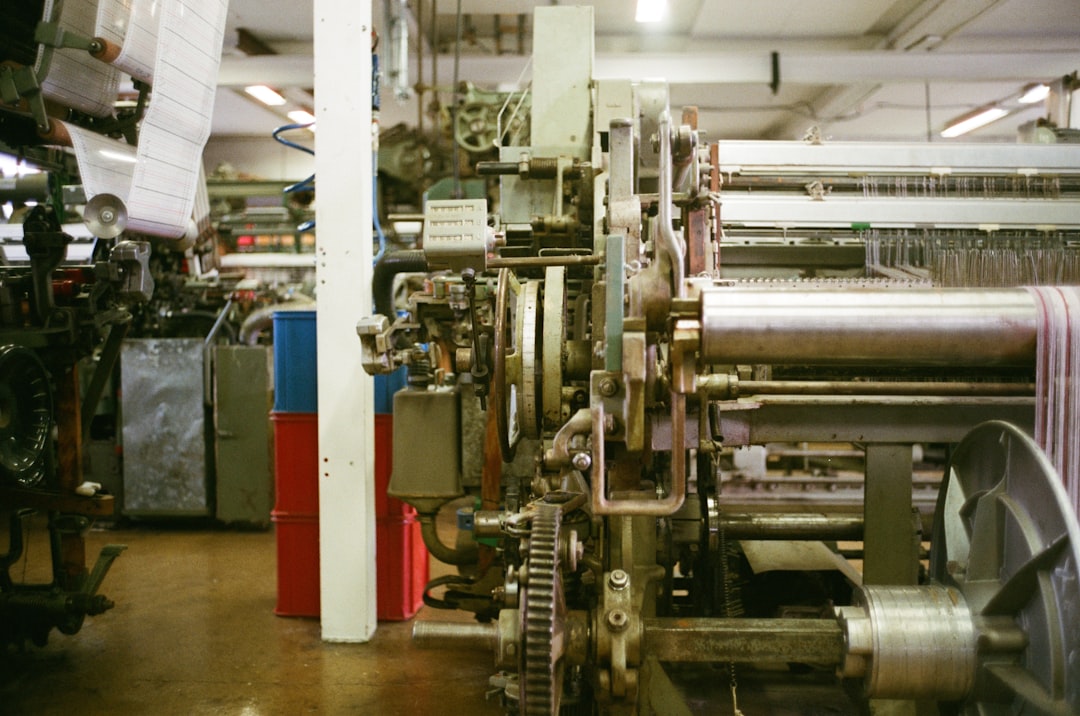
Charting Your Path: The power of a wind turbine maintenance roadmap
Keeping a wind farm spinning smoothly isn’t about reacting once a gearbox screams for help. It’s about having a clear wind turbine maintenance roadmap that ties engineer know-how, sensor data and AI insights into one powerful plan. Imagine spotting a bearing issue before it sparks a multi-day outage. That’s exactly why you need a solid framework to guide every inspection, analysis and repair.
In this guide we’ll compare DNV’s traditional route map with an AI-first approach from iMaintain. You’ll see where classic engineering rigour shines, where gaps appear, and how a human-centred AI platform fills them. Ready to see how to get ahead? Get your wind turbine maintenance roadmap with iMaintain – AI Built for Manufacturing maintenance teams
We’ll cover:
- A quick look at DNV’s established route map
- The blind spots in a non-integrated strategy
- An AI roadmap that captures crew wisdom and real-time analytics
- Step-by-step actions to implement predictive, preventive and continuous improvement
- Common pitfalls (and how to dodge them)
By the end, you’ll know exactly how to build and refine a wind turbine maintenance roadmap that keeps turbines humming, downtime low and ROI high.
DNV’s Route Map Approach: Strengths and Gaps
DNV’s route map for wind asset optimisation is legendary in the industry. It brings together:
- Turbine inspections and engineering expertise
- Wind resource assessments
- Operational SCADA data analytics
Their three main phases are:
- Asset status analysis (production, failures, downtime)
- Technical assessment (select remedial or optimisation measures)
- Cost/benefit evaluation (advice on implementation)
This rigour delivers clarity on what’s gone wrong and what to fix. It’s ideal for firms that want a structured view of ageing turbines or newly commissioned farms.
Limitations of a classic route map
- Siloed data: Reports live in separate tools, spreadsheets or PDFs
- Manual link-ups: Engineers hunt down past fixes rather than seeing them instantly
- No continuous learning: Each analysis is fresh, not an evolving knowledge base
- Reactive-leaning: Predictions depend on schedules, not live AI alerts
That’s where a human-centred AI platform like iMaintain steps in, closing those gaps.
Why iMaintain’s AI-First Roadmap Closes the Gap
iMaintain sits on top of your existing ecosystem (CMMS, docs, spreadsheets). It doesn’t rip systems out. Instead it:
- Captures human experience from work orders and notes
- Unifies asset history with SCADA and sensor feeds
- Delivers context-aware AI guidance on the shop floor
- Builds a living, searchable intelligence layer
Rather than just plotting a one-off plan, you get a wind turbine maintenance roadmap that evolves as your team learns and AI predictions sharpen. No big-bang transformation, just step-by-step maturity.
Step 1: Harness Human Expertise
Even the smartest algorithms can’t replace decades of crew know-how. The first step in your wind turbine maintenance roadmap is to capture what your engineers already know:
- Standard fixes and root-cause notes
- Past component swaps and custom tweaks
- Observations from site walks, audio notes, photos
iMaintain’s document and SharePoint integration pulls these fragments into a unified index. Now when a gearbox generates an unusual vibration profile, you see the exact fix your lead engineer applied two years ago.
Quick wins:
- Search for “high vibration” or “brake slip” and find proven solutions
- Tag assets with recurring faults to prioritise fixes
- Reduce repetitive problem-solving by over 30%
Curious how this flows on the shop floor? How does iMaintain work
Step 2: Integrate Data Streams
Your turbine doesn’t speak English. It talks in SCADA packets, temperature spikes and oil pressure curves. A robust wind turbine maintenance roadmap pulls live telemetry into one dashboard:
- SCADA analytics for yaw misalignment, wind resource yield
- Condition monitoring trends (temperature, lubrication, acoustics)
- Historical maintenance logs from CMMS
With all data stitched together, you spot anomalies early. A blade pitch drift flagged hours before threshold avoids unplanned shutdown.
Step 3: Deploy AI-Driven Decision Support
Here’s where prediction meets precision. iMaintain layers AI on top of your unified knowledge:
- Context-aware suggestions: proven fixes when a fault code appears
- Predictive alerts: probability-based warnings days before failure
- Root-cause hints: links between recurring faults and environmental data
Engineers get intuitive prompts in their preferred workflow. Supervisors see trend dashboards. Reliability leads get clear metrics on predictive maturity.
Want hands-on? AI troubleshooting for maintenance
Halfway through? Ready to leap from scattered notes to a cohesive, AI-backed plan? Kick off your wind turbine maintenance roadmap with iMaintain – AI Built for Manufacturing maintenance teams
Putting the wind turbine maintenance roadmap into action
A plan is only as good as its execution. To roll out your AI roadmap:
- Start with a pilot: choose one turbine or array section
- Train your team: brief on search, tagging and AI prompts
- Set KPIs: mean time to repair (MTTR), number of repeat faults, % predictive maintenance
- Review weekly: update the knowledge base with fresh fixes
Over 80% of manufacturers struggle to calculate their true downtime cost. By tracking these KPIs, your wind turbine maintenance roadmap becomes a real business case.
Measuring Success
Key metrics to track progress:
- MTTR reduction (aim for a 20–30% drop in six months)
- Proportion of work orders solved with AI-suggested fixes
- Reduction in repeat faults per turbine
- Uptime improvement vs. baseline
Dashboards in iMaintain show these trends at a glance. Plus, you preserve tribal knowledge as staff rotate or retire.
Avoiding Common Pitfalls
When crafting a wind turbine maintenance roadmap, watch out for:
- Data overload: Don’t ingest every sensor stream at once. Prioritise critical assets.
- Inconsistent tagging: Agree on naming conventions early (eg blade, gearbox, yaw).
- Ignoring change management: Involve engineers in shaping the workflows, or adoption stalls.
- Expecting instant prediction: Build trust by nailing foundations (human knowledge and data integration) before chasing black-box AI.
Address these, and you’ll dodge delays and deliver measurable gains.
“Switching to iMaintain’s AI-backed roadmap cut our gearbox faults by 40%. We’re not firefighting every week anymore.”
— Sarah Jenkins, Maintenance Manager at Northwind Energy“I loved how iMaintain surfaced past fixes in a click. Our guys don’t waste time digging through folders.”
— Liam Patel, Reliability Engineer at GreenTurb Solutions“Integrating SCADA and work orders was seamless. We’re hitting uptime targets we never thought possible.”
— Maria Gomez, Operations Lead at EcoWind
Conclusion: Your path to maintenance excellence
A strong wind turbine maintenance roadmap blends proven engineering processes with adaptive AI and shared human experience. DNV’s route map laid the groundwork with systematic phases and deep technical analysis. iMaintain takes it further by making every insight accessible, actionable and ever-evolving on the shop floor.
Ready to make your roadmap smarter, faster and more reliable? Build your wind turbine maintenance roadmap with iMaintain – AI Built for Manufacturing maintenance teams