
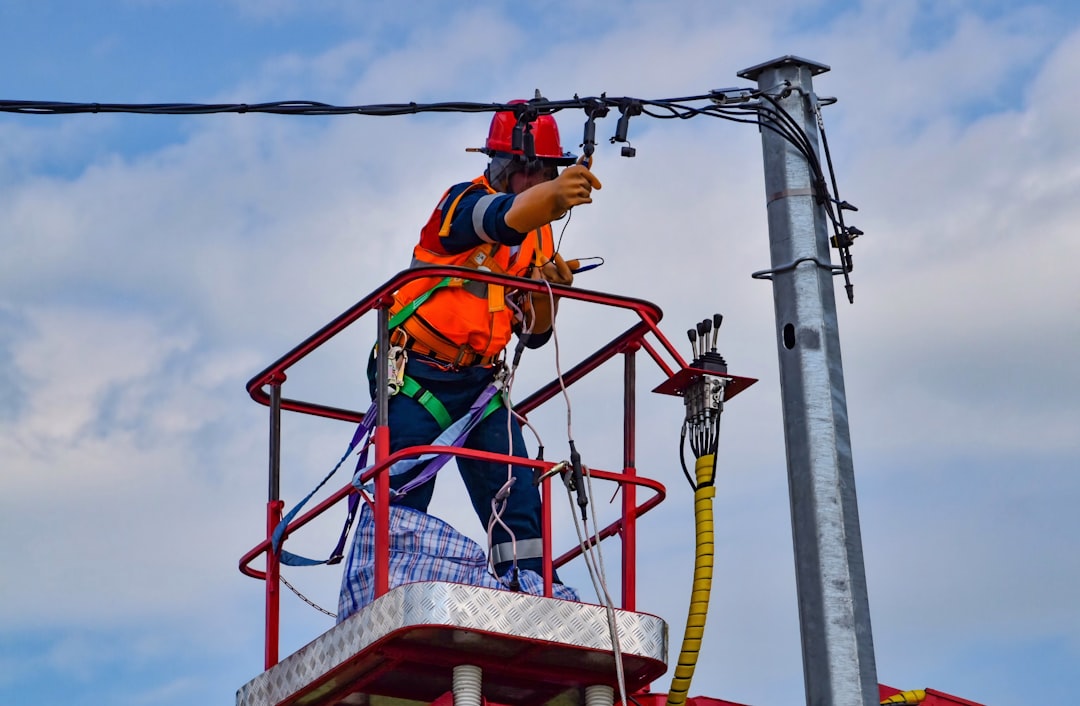
Why AI Knowledge Management Matters for Maintenance Teams
Imagine a workshop where every engineer’s hard-earned experience is stored in a dusty notebook or lost when someone moves on. Enter AI knowledge management—a way to capture, organise, and share expertise in real time. This isn’t about piling data on data. It’s about turning everyday maintenance activity into a living library of solutions and insights.
The result? Teams fix faults faster, prevent repeat failures, and build confidence in data-driven decisions. If you want to see AI knowledge management in action, you need a platform designed for real workshops, not just slides. Explore AI knowledge management with iMaintain — The AI Brain of Manufacturing Maintenance
In the next few minutes, you’ll learn:
- Why knowledge loss is killing your uptime.
- How AI can stitch together scattered fixes.
- Practical steps to transform reactive maintenance into predictive success.
Whether you’re a maintenance manager or a reliability lead, this article shows you exactly how to use AI knowledge management to your advantage.
The Hidden Cost of Lost Expertise
Every time an experienced engineer leaves or shifts roles, a chunk of know-how walks out the door. Common scenarios include:
- Repairs repeated from scratch because the root cause wasn’t recorded.
- Work orders cluttered with vague notes and no context.
- New hires spending weeks asking around for proven fixes.
These gaps mean more downtime, firefighting and burnt-out teams. According to industry research, most maintenance teams spend over 70% of their time reactively fixing equipment. They’re stuck in a loop—repeat faults that should have been solved permanently.
Enter organisational knowledge management. By capturing every repair, investigation and improvement action, you build a structured repository. But it has to be more than a digital filing cabinet. You need AI that understands context, surfaces proven fixes and learns from every action.
The Limits of Traditional Systems
You might already have a CMMS or spreadsheets in place. They help track work orders, but rarely:
- Link fixes to the underlying asset context.
- Recommend successful troubleshooting steps.
- Adapt as the machine ages or goes through upgrades.
That missing link is where AI knowledge management steps up. Instead of forcing engineers to fill templates, it harvests insights directly from your day-to-day data—work orders, sensor readings, even informal notes.
How AI Knowledge Management Powers Smarter Maintenance
Let’s break down what makes an AI-driven approach different:
Capture and Structure
iMaintain’s AI-first maintenance intelligence platform pulls in engineering notes, job histories and asset details. It creates a graph of interconnected knowledge—no manual tagging required.Context-Aware Recommendations
When an engineer opens a work order, the system suggests relevant past fixes, root causes and preventive steps. It’s like having a senior engineer whispering tips at your shoulder.Continuous Learning
Every solved issue feeds back into the model. Over time, the knowledge base gets richer and more accurate. Repeat faults drop off the list.Clear Progression Metrics
Supervisors see which assets have reduced repeat failures, how MTTR (mean time to repair) is improving, and where training gaps remain.
Real-World Impact
- Reduce downtime by tapping into historical fixes instead of reinventing the wheel. Reduce repeat failures
- Improve MTTR with context-aware guidance that cuts troubleshooting time. Improve MTTR
- Preserve critical engineering knowledge through staff turnover and shift changes.
These aren’t lofty promises. They’re outcomes we’ve seen in UK-based factories using iMaintain. Maintenance teams report up to 30% fewer repeat breakdowns within weeks of deployment.
Bridging the Gap Between Reactive and Predictive
Many vendors talk about predictive maintenance as if it’s a magic wand. But AI-driven prediction fails without solid data and structured knowledge. iMaintain focuses on the foundation:
- You master what you know now.
- You organise it so AI models can learn effectively.
- You build trust in data-driven insights.
This human-centred AI approach means engineers feel supported, not replaced. They see immediate value—troubleshooting tips at their fingertips—before advanced analytics roll out.
You get a practical roadmap:
- Start with clean, consistent work logging.
- Let AI extract and link knowledge automatically.
- Scale AI recommendations across all assets.
- Move from reactive fire-fighting to predictive planning.
Building a Knowledge-First Maintenance Culture
Technology alone isn’t enough. You need a culture shift. Here’s how to get buy-in:
- Set clear expectations. Define what gets captured and when.
- Incentivise sharing. Highlight team wins from knowledge reuse.
- Offer bite-sized training. Show engineers how AI suggestions speed up jobs, not slow them.
A knowledge-transfer culture makes your investment in technology worthwhile. Trust grows as teams find real, relevant answers in the system. Once that happens, adoption accelerates.
Practical Steps to Roll Out AI Knowledge Management
- Audit your data. Identify gaps in work logs and asset histories.
- Pilot on critical assets. Let a small team test the AI-driven insights.
- Gather feedback. Refine workflows and user interface with shop-floor input.
- Scale incrementally. Expand asset coverage and integrate sensor data.
Halfway through your journey, you’ll see real drops in downtime and quicker onboarding of new engineers. And because every action enriches the knowledge graph, the acceleration only gets better.
If you’re ready to break free from repetitive problem solving and capture your team’s know-how, Begin your AI knowledge management journey with iMaintain — The AI Brain of Manufacturing Maintenance
Measuring Success and Next Steps
Once your AI knowledge management platform is in place, track these key metrics:
- Repeat Failure Rate. How many problems recur on the same asset?
- MTTR Reduction. Average time from fault detection to resolution.
- Adoption Rate. Percentage of work orders that leverage AI suggestions.
- Knowledge Graph Growth. Volume and quality of new insights captured.
Regularly review these with operations leaders and reliability teams. Use dashboards to keep everyone aligned on progress and areas needing focus.
Example Outcomes
- A discrete parts manufacturer saw a 25% drop in urgent breakdowns within two months.
- An aerospace supplier cut training time for new hires by 40%—they tapped straight into the knowledge base.
- A food processing plant reduced unplanned downtime by 30%, boosting on-time delivery and customer satisfaction. Fix problems faster
Your Next Move
In today’s complex manufacturing landscape, preserving and activating engineering wisdom is non-negotiable. AI knowledge management transforms your scattered intel into a shared asset—one that compounds in value every day.
Don’t let your team stay stuck in reactive maintenance. Embrace a human-centred AI platform that works with your existing processes and tools. Let iMaintain show you how real factories use AI knowledge management to run smoother, smarter and more reliably.
Explore AI knowledge management with iMaintain — The AI Brain of Manufacturing Maintenance