
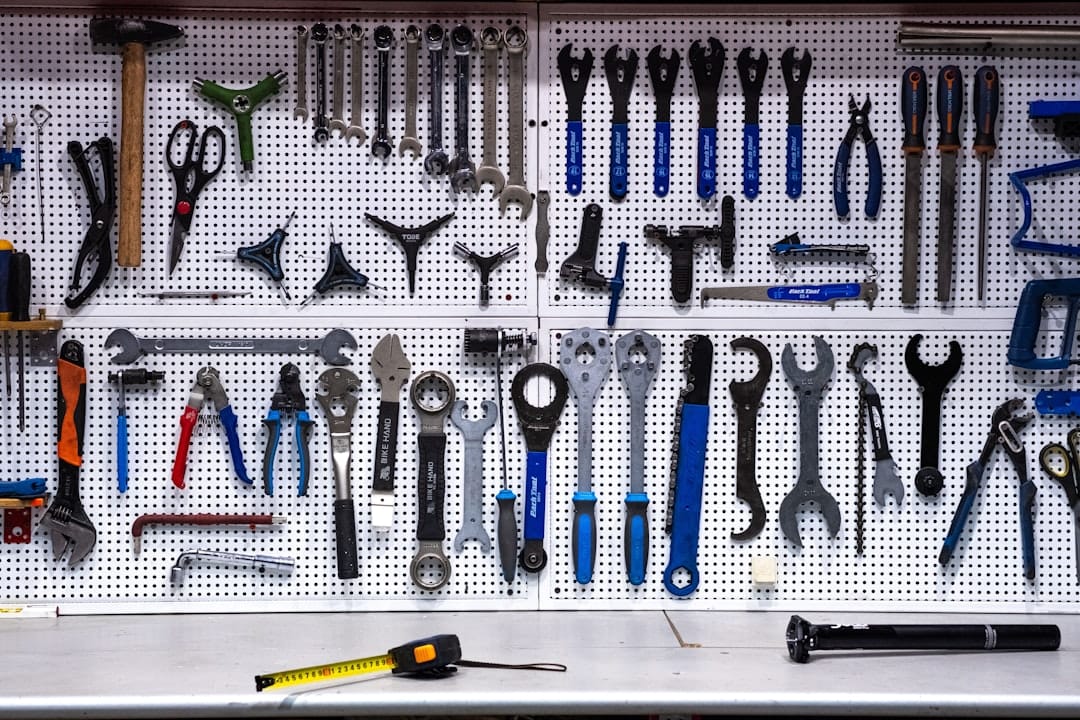
Moving from reactive to preventive maintenance requires capturing structured work order histories, eliminating recurring asset faults, and connecting frontline engineering knowledge directly to your existing systems. Before any plant can deploy advanced machine learning or sensor-based predictive models, engineering teams must first establish clean data workflows that turn firefighting into structured, repeatable reliability.
Most maintenance teams spend their shifts trapped in firefighting mode, scrambling when a critical machine goes down and losing production time while trying to guess what worked during the last failure. Shifting from reactive to preventive maintenance changes this dynamic completely by creating predictable schedules, unlocking asset histories, and giving technicians instant context at the point of repair.
To see how your current maintenance operations can evolve without replacing your existing systems, Explore iMaintain RMP and see how a purpose-built Reliability Management Platform connects your maintenance records, manuals, and frontline expertise.
Why Moving from Reactive to Preventive Maintenance Stalls
Every maintenance manager wants to stop running equipment until it breaks. When machines dictate the schedule, maintenance budgets get torn to pieces by emergency overtime, expedited courier fees for spare parts, and lost output. Yet, despite buying expensive Computerised Maintenance Management Systems (CMMS) or Enterprise Asset Management (EAM) platforms, plants frequently remain stuck in pure firefighting.
Why does this happen? The problem is rarely a lack of desire or technical skill. The problem is fragmented context. Traditional maintenance software functions like a digital ledger: work orders are opened, engineers assign a code, and the ticket is closed with bare-minimum notes like “fixed fault” or “replaced sensor”. When the same failure repeats three weeks later on the night shift, the next technician has zero context on what actually happened, what the root cause was, or which technical manual held the wiring diagram.
When your system is merely a static archive rather than an active operational asset, preventive strategies collapse. Technicians do not have time to wade through thousands of historical lines while production managers shout about downtime. They apply a quick patch, restart the line, and wait for the next inevitable failure. The shift from reactive to preventive maintenance cannot happen until your team can access prior fixes and root causes within seconds.
What Distinguishes Maintenance Strategies Across the Maturity Curve?
To move forward, engineering teams need a clear definition of where they stand and where they are heading. Maintenance strategies generally fall across four distinct stages:
- Reactive Maintenance (Run-to-Fail): Equipment runs until an unexpected fault triggers a full breakdown. Repairs occur under severe time pressure, leading to high Mean Time to Repair (MTTR), lost product, and substantial safety risks.
- Preventive Maintenance (PM): Work is scheduled on a calendar or run-hour basis regardless of the component’s actual health. While this reduces random breakdowns, it frequently causes over-servicing, consumes unnecessary labour, and can introduce human error during intrusive inspections.
- Condition-Based Maintenance (CBM): Interventions are triggered by measurable parameters like excessive vibration, thermal spikes, or oil degradation. This ensures parts are replaced only when degradation begins.
- Predictive Maintenance (PdM) and AI Reliability: Sensor inputs, historical work order patterns, and technical operating manuals combine to identify anomalies before physical symptoms appear. Frontline engineers receive guided diagnostics and historical root cause analyses rather than raw, uncontextualised alarms.
Many vendors pitch advanced predictive maintenance as a plug-and-play sensor kit. In reality, sensors without operational context produce alert fatigue. If a vibration monitor flags an anomaly on a conveyor gearbox, but the engineer cannot see the past six repair notes, lubrication records, or installation procedures, the alarm simply adds to the noise. Bridging the gap from solving chronic equipment failures with smarter root cause analysis is the real bridge between reactive chaos and predictive control.
How Do You Lay the Foundations for Preventive and Predictive Workflows?
A reliable predictive framework is not built on complex algorithms alone; it is built on structured operational discipline. Here are five practical steps to transition your plant away from constant reaction.
1. Identify Critical Assets and Recurring Failure Modes
Do not attempt to overhaul an entire factory floor at once. Rank your plant machinery based on downtime costs, safety hazards, and delivery bottlenecks. Focus your efforts on the top 10 percent of machines that cause 80 percent of your headaches.
2. Connect Your Existing CMMS to Operational Knowledge
Your maintenance history contains the blueprint for preventing future downtime, but it is currently buried in unsearchable text boxes across your CMMS. You do not need to discard your software and face an expensive rip-and-replace rollout. Instead, supplement your system of record with an intelligence layer that reads prior work orders, matches similar symptoms, and extracts useful context automatically.
3. Simplify Frontline Data Capture
If logging a detailed repair note takes an engineer ten minutes of typing on a clunky desktop terminal, they will write “repaired line” and walk away. Give your technicians practical tools that capture what was fixed, which components were swapped, and what underlying issues were spotted during the intervention, without adding administrative burdens.
4. Transition from Time-Based Routines to Failure-Mode PMs
Review your existing preventive maintenance checklists. Eliminate arbitrary calendar inspections that do not address known failure modes. Focus routine tasks on lubrication precision, contamination control, and visual inspections that actively catch wear before failure.
5. Surface Prior Fixes During Fault Diagnosis
When a stoppage strikes, time is your biggest enemy. Rather than forcing engineers to reinvent the wheel, make sure they can pull up the exact resolution used by a colleague during the previous shift. Exploring actionable AI performance insights for manufacturing maintenance ensures your team learns from every breakdown instead of repeating the same mistakes.
The Role of Knowledge Continuity in Stopping Repeat Faults
One of the most persistent bottlenecks in moving past reactive repairs is the engineering skills gap. Veteran maintenance technicians often hold decades of machinery knowledge in their heads. They know by sound which bearing on the packaging line is running hot, and they remember the unique wiring quirk on machine five.
When these experienced engineers retire, move on, or simply go off shift, that critical expertise vanishes. Less experienced engineers are left to troubleshoot complex automated equipment using guesswork and basic trial-and-error. Downtime expands, and minor component wear turns into catastrophic asset failure.
A modern reliability strategy structures this informal expertise as a regular part of everyday work. By linking historical work orders, technical manuals, and engineer insights, organisations build an operational knowledge base that stays with the plant forever. If you want to dive deeper into preserving your engineering know-how, check out how protecting operational uptime with knowledge continuity solutions protects plants from unexpected knowledge loss.
Practical Troubleshooting: Turning Stored Data into Frontline Action
Predictive analytics tools frequently fail on the shop floor because they output abstract scores instead of actionable guidance. Telling a shift technician that an extruder motor has an 82 percent failure probability does not tell them what tool to grab, which spare part to check, or how to isolate the problem.
This is why maintenance reliability platforms must focus on context-driven decision support. Frontline engineers need clear answers:
- Has this specific alarm triggered before on this asset?
- What was the confirmed root cause during the last three occurrences?
- What steps were taken to successfully resolve it?
- Are the relevant schematics and OEM operating limits immediately visible on a mobile device?
When technicians have these answers at their fingertips, Mean Time to Repair (MTTR) plummets. More importantly, repairs become permanent solutions rather than temporary sticking plasters, clearing the schedule for planned preventive tasks.
What Industry Leaders Say About iMaintain
Real-world results show the power of pairing frontline technicians with intelligent troubleshooting support and structured root cause analysis. Here is what leading maintenance leaders report:
“iMaintain is far superior to other systems we’ve seen on the market. What really sets it apart is the way it uses AI to assist engineers and support root cause analysis.”
— Chris Cole, Maintenance Manager, The Senator Group“The product sells itself and the price point sits easy in anyone’s maintenance budget.”
— Chris Cole, Maintenance Manager, The Senator Group“I am excited to see how iMaintain can help our technicians get the information they need faster, support us in root cause analysis, and also help improve our PM’s by recognising trends in repeat failures.”
— James Hunter, Head of Engineering, Senstronics
Frequently Asked Questions
What is the primary difference between preventive and predictive maintenance?
Preventive maintenance relies on predetermined time intervals or run hours to inspect and service equipment, regardless of its present operating condition. Predictive maintenance uses real-time condition data, historical work patterns, and operational analytics to service equipment only when early indicators of failure or wear are detected.
Do we have to replace our existing CMMS to move away from reactive maintenance?
No. You do not need to undergo a disruptive, high-risk system replacement. Core platforms like your CMMS or EAM serve as valuable systems of record for assets and compliance. Adding a dedicated reliability layer like iMaintain RMP allows you to extract value from historical work records and guide engineers during troubleshooting without altering your foundational database.
How does structured knowledge capture reduce MTTR?
When technicians face an active fault, a significant portion of downtime is spent diagnosing the issue and searching for documentation. Providing instant access to similar historical failures, validated root causes, and relevant technical schematics eliminates trial-and-error diagnostics, allowing engineers to complete repairs rapidly and accurately.
Why do standalone predictive sensor projects often fail to deliver ROI?
Sensors detect physical abnormalities, but they cannot provide operational context or tell an engineer how to resolve the fault. Without a solid foundation of clean maintenance records, failure-mode mapping, and fast troubleshooting workflows, sensor alerts simply overwhelm maintenance teams with notifications they do not have time to investigate.
Take Control of Your Maintenance Reliability Today
Breaking out of the reactive maintenance loop does not require massive capital expenditure or years of software re-implementation. It starts by making the maintenance information, asset manuals, and technician expertise you already possess instantly accessible when breakdowns happen.
By helping your engineering team solve active faults faster, understand root causes, and capture high-quality repair data as standard practice, you build the foundation needed for true predictive reliability.
Ready to eliminate recurring faults and give your engineers the insights they need at the machine side? Book a demo today to see how iMaintain RMP works alongside your existing maintenance setup to drive lasting operational performance.